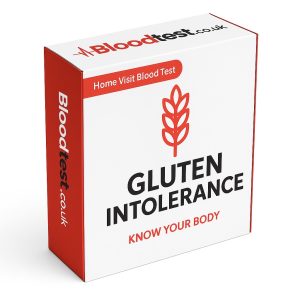
Thorough Examination of Coeliac Testing Procedures in Bath
Key Steps in Initial Consultations at Bath Medical Facilities
Private Coeliac Test In Bath: Residents in Bath typically start their coeliac testing journey with a consultation at their local GP. During this appointment, they discuss various symptoms such as digestive problems, fatigue, and skin issues. The GP carefully reviews the patient’s medical history and may ask about any familial occurrences of coeliac disease to gain a comprehensive understanding of the patient's health context. This initial consultation is crucial, as it aids the healthcare professional in determining the necessity of a coeliac test based on the symptoms presented.


If the GP determines that further investigation is warranted, they will arrange the necessary tests. This typically involves a blood test aimed at detecting specific antibodies indicative of coeliac disease. The GP's guidance throughout this process is invaluable, assisting patients in navigating the complexities of their symptoms and the testing protocols. Patients are encouraged to ask questions during this consultation to clarify any uncertainties regarding the testing process.
Bath’s healthcare system is well-prepared to handle coeliac testing, with numerous medical centres and clinics offering extensive services. This local resource ensures that patients receive prompt care and support, which is vital for addressing potential health concerns linked to coeliac disease.
Local Procedures for Blood Sample Collection in Coeliac Testing
The standard approach for coeliac testing in Bath involves a straightforward <a href="https://bloodtest.co.uk/how-to-prepare-for-a-thyroid-blood-draw-simple-steps-for-success/">blood draw</a>, typically conducted at local clinics or hospitals. Qualified healthcare professionals carry out this procedure, ensuring it is both efficient and minimally uncomfortable for patients. The collected blood sample is then sent to regional laboratories for thorough analysis, where it is tested for antibodies associated with coeliac disease.
These laboratories employ advanced techniques to guarantee accurate results, which are essential for diagnosing coeliac disease. The tests generally measure levels of antibodies, including IgA tissue transglutaminase (tTG) and IgA endomysial (EMA) antibodies. Elevated levels of these antibodies may suggest an autoimmune reaction to gluten, warranting further investigation if necessary.
Patients in Bath can generally expect to receive their results within a few days, alleviating the anxiety often associated with waiting for medical test outcomes. The efficiency of blood sample collection and analysis in Bath reflects the commitment of local healthcare providers to deliver high-quality diagnostic services.
What Additional Testing Might Be Necessary in Bath?
Following initial blood test results, some patients may require further testing to confirm a diagnosis of coeliac disease. This typically involves an endoscopic biopsy, which is conducted at local hospitals in Bath. During this procedure, a small camera is inserted into the small intestine to collect tissue samples for examination. This step is crucial as it provides direct evidence of gluten-induced intestinal damage.
A biopsy is necessary because blood tests alone cannot definitively diagnose coeliac disease. While they can indicate the likelihood of the condition, the biopsy offers concrete evidence of damage to the intestinal lining, which is a hallmark of coeliac disease. Patients are usually advised to continue consuming gluten until after the biopsy to ensure accurate results.
Post-biopsy follow-up care is equally important, as it allows healthcare professionals to discuss results and outline subsequent steps for managing the condition. This may involve dietary adjustments and continuous support to ensure that patients in Bath have access to the resources they need for effective coeliac disease management.
What Preparations Should Be Made Before Undergoing a Coeliac Test?
Dietary Guidelines Prior to Appointments
Before undergoing a coeliac test, individuals must maintain a diet that includes gluten, as recommended by healthcare professionals in Bath. This entails consuming foods such as bread, pasta, and cereals containing wheat, barley, and rye. Ceasing gluten intake prematurely can lead to inaccurate test results, potentially delaying diagnosis and treatment.
Patients are generally advised to consume gluten regularly for at least six weeks before testing. This ensures that the body produces the antibodies necessary for accurate detection during blood tests. Following these dietary guidelines is essential for obtaining reliable results, which significantly influences the management of the condition.
Patients must understand the potential consequences of not adhering to these guidelines. An incorrect or missed diagnosis can lead to ongoing health issues, as untreated coeliac disease may result in significant long-term complications. Individuals in Bath should take these dietary recommendations seriously to ensure favourable outcomes from their testing experience.
Importance of Documenting Medical History for Bath Clinics
When preparing for a coeliac test, it is crucial to bring comprehensive medical history documentation to the appointment. Patients should compile records detailing their symptoms, any previous diagnoses, and relevant family medical history. This information enables healthcare professionals in Bath to tailor the testing process to the individual’s specific needs and circumstances.
A detailed account of symptoms can assist the GP in understanding the severity and duration of the patient’s issues. This insight facilitates a more accurate assessment and can guide decisions about the necessity for additional testing. Patients may also wish to note any dietary changes they have made or other health conditions they are managing, as these factors can influence the testing process.
Providing a family history of coeliac disease or other autoimmune conditions can be beneficial. Given the genetic component of coeliac disease, this information can help healthcare providers in Bath assess the likelihood of the condition and recommend appropriate testing and follow-up care.
Key Benefits of Avoiding Premature Gluten-Free Diets
Patients should consider the following advantages of not adopting a gluten-free diet before their coeliac test:
- Ensured accuracy of test results, leading to reliable outcomes.
- Timely diagnosis enables quicker symptom management.
- Enhanced understanding of dietary triggers and symptoms.
- Access to appropriate treatment options without delay.
Continuing to consume gluten before testing can significantly influence the accuracy of results, ultimately affecting the management of coeliac disease. Patients who adhere to these guidelines are more likely to receive a definitive diagnosis, which is crucial for implementing effective dietary changes and improving overall health.
Recognising the importance of these dietary guidelines empowers patients to actively participate in their healthcare. By following the advice of healthcare professionals in Bath, individuals can make informed decisions that positively impact their long-term health outcomes.
Guidelines on Fasting and Hydration for Testing
Patients scheduled for a coeliac test in Bath may receive specific instructions regarding fasting and hydration prior to their blood draw. Generally, it is advisable to refrain from eating for several hours before the test to prevent recent dietary intake from affecting the results. Patients should clarify these instructions with their healthcare provider, as recommendations may vary.
Regarding hydration, drinking water is typically encouraged before the test. Staying well-hydrated can facilitate a smoother, more comfortable blood draw by increasing blood flow. Patients should avoid beverages that might interfere with test results, such as alcohol or caffeinated drinks, as these can affect hydration levels and potentially skew results.
Adhering to these fasting and hydration guidelines is crucial for ensuring the reliability of blood test results. Patients in Bath should communicate openly with their healthcare providers about any concerns or questions they may have regarding these instructions, as this can help alleviate anxiety and ensure a more seamless testing experience.
Significance of Consultation with Healthcare Professionals
Arranging a preliminary discussion with healthcare professionals in Bath is a vital step for anyone considering a coeliac test. This consultation allows patients to clarify any concerns or queries they may have regarding the testing process, ensuring they feel informed and prepared. It presents an opportunity to discuss symptoms, medical history, and the potential implications of testing.
During this consultation, healthcare providers can explain the various stages involved in the testing process, including what to expect during blood draws and any follow-up procedures. Patients can also receive personalised advice on dietary guidelines and preparations, which significantly impact the accuracy of test results. This tailored approach addresses individual needs and ensures that patients feel supported throughout the process.
Discussing the testing process with healthcare professionals can help alleviate any anxiety or uncertainty patients may experience. By providing clear information and addressing concerns, healthcare providers in Bath empower patients to take an active role in their healthcare journey, resulting in improved outcomes and enhanced overall wellbeing.
Insights from Experts on Coeliac Testing in Bath
Evaluating the Choice Between Private and NHS Testing Options in Bath
When contemplating coeliac testing in Bath, patients often grapple with the decision of whether to pursue private or NHS options. Each pathway presents distinct advantages and potential drawbacks, making it essential for individuals to evaluate their specific needs. NHS services typically provide comprehensive testing at no direct cost; however, patients may face longer wait times due to high demand.
On the other hand, private testing options may offer quicker access to appointments and results, which can be crucial for those experiencing severe symptoms. patients should be prepared for the associated costs, as private healthcare can be substantially more expensive. It is advisable to research local private clinics and compare their offerings, including the expertise of healthcare professionals and the quality of facilities.
Ultimately, the decision between private and NHS testing should be based on personal circumstances, including the severity of symptoms, financial considerations, and the urgency of obtaining a diagnosis. Consulting a GP can help individuals make an informed decision that aligns with their health needs and preferences.
Steps for Arranging Tests at Bath Hospitals
To arrange a coeliac test at hospitals in Bath, individuals should begin by contacting their GP to discuss symptoms and obtain a referral if necessary. This initial step is crucial, as it ensures that the GP can evaluate the need for testing and provide relevant information about local facilities. Patients are encouraged to prepare a list of questions to ask during this consultation to help clarify the process and address any concerns.
Once a referral is secured, patients can contact the hospital or clinic where they will undergo testing. It is beneficial to inquire about appointment availability, specific procedures involved, and any pre-test requirements. Patients should also confirm whether they need to bring any documentation, such as medical history or identification.
Staying organised and proactive throughout the process can streamline the experience. Keeping track of appointments, test dates, and necessary paperwork will ensure that patients in Bath can navigate the coeliac testing process smoothly and efficiently, leading to timely diagnosis and treatment.
Recent Innovations Enhancing Testing Accuracy in Bath
Recent advancements in laboratory techniques have significantly improved the accuracy of coeliac testing in Bath. Local laboratories are now implementing enhanced testing methods that allow for more precise detection of antibodies associated with coeliac disease. These innovations have resulted in higher sensitivity and specificity, minimising the likelihood of false positives or false negatives.
One notable development is the introduction of new antibody tests that can identify additional markers of coeliac disease. These tests complement traditional methods and provide a more comprehensive understanding of an individual’s immune response to gluten. Healthcare providers in Bath can make more informed decisions regarding diagnosis and treatment based on the latest scientific findings.
The integration of technology in laboratory processes has streamlined testing procedures, resulting in quicker turnaround times for results. This efficiency alleviates patient anxiety and allows healthcare professionals to initiate treatment plans sooner. Overall, these advancements in testing accuracy are enhancing the quality of care available to residents of Bath seeking diagnosis and management of coeliac disease.
Research-Backed Benefits of Coeliac Testing in Bath
How Early Detection Enhances Long-Term Health Outcomes
Research indicates that early detection of coeliac disease through testing in Bath leads to significantly improved long-term health outcomes. Prompt diagnosis enables individuals to implement necessary dietary changes, alleviating symptoms and preventing complications associated with untreated coeliac disease. Potential complications may include nutritional deficiencies, osteoporosis, and an increased risk of certain cancers.
Studies show that individuals diagnosed early are more likely to adhere to a gluten-free diet, which is essential for effectively managing coeliac disease. This adherence not only enhances quality of life but also lowers the risk of developing additional health issues associated with gluten consumption. As such, early testing is critical to ensuring that patients receive the care and support they require.
Early detection facilitates better management of coeliac disease, allowing patients to access resources such as nutritional guidance and support groups. These resources provide valuable information and encouragement, helping individuals navigate their dietary restrictions and improve their overall wellbeing.
Key Advantages of Timely Diagnosis Support
Timely diagnosis of coeliac disease offers several key benefits, including:
- Access to nutritional guidance tailored to individual needs.
- Connection to local support groups and community resources.
- Improved symptom management and quality of life.
- Reduced risk of long-term health complications.
Receiving a prompt diagnosis allows patients in Bath to take proactive steps to manage their condition. By accessing appropriate resources and support, individuals can navigate the challenges of living with coeliac disease more effectively, leading to improved health outcomes and a better quality of life.
The community aspect of support groups can offer emotional encouragement, helping individuals feel less isolated in their journey. This holistic approach to care is crucial for fostering resilience and ensuring that patients can thrive despite dietary restrictions.
Real-Life Testimonials from Patients in Bath
Real-life patient experiences in Bath highlight the positive impact of local coeliac testing on individuals’ lives. Many patients report that receiving a timely diagnosis enabled them to make necessary dietary adjustments, resulting in significant improvements in their symptoms. For instance, individuals who previously struggled with chronic digestive issues often find relief shortly after adopting a gluten-free diet.
Case reviews indicate that patients who engaged with local healthcare providers experienced a smoother transition into their new dietary lifestyle. The support provided by dietitians and support groups in Bath has been vital in helping these individuals navigate the complexities of living with coeliac disease. Many patients express gratitude for the resources available, which have empowered them to take control of their health.
Success stories from Bath residents illustrate the importance of early testing in preventing long-term complications. By promptly identifying coeliac disease, patients have been able to avoid severe health issues and enhance their overall quality of life. These real-world examples serve as a testament to the effectiveness of coeliac testing in Bath and the positive outcomes it can facilitate.
Scientific Research Supporting Testing Efficacy
Numerous scientific studies conducted by research institutions in Bath have validated the efficacy of local coeliac testing methods. Peer-reviewed articles demonstrate that the antibody tests used in Bath are highly accurate in identifying gluten sensitivities, with sensitivity and specificity rates that meet international standards. These studies provide substantial evidence supporting the reliability of coeliac testing, which is crucial for patient trust and confidence in the healthcare system.
Research has also emphasised the significance of follow-up testing, such as biopsies, in confirming diagnoses. Studies indicate that patients who undergo comprehensive testing achieve better health outcomes than those who rely solely on blood tests. This underscores the necessity for a multifaceted approach to coeliac disease diagnosis, ensuring patients receive the most accurate and effective care possible.
Ongoing studies into coeliac disease continue to evolve, exploring new diagnostic markers and treatment options. This commitment to advancing knowledge within the field ensures that residents of Bath benefit from the latest findings, leading to improved testing methods and healthcare practices.
Long-Term Economic Advantages for Healthcare Systems
Analyses of healthcare data reveal that the widespread availability of coeliac testing in Bath yields significant long-term economic benefits for the healthcare system. By facilitating early diagnosis and treatment, healthcare providers can prevent severe complications associated with untreated coeliac disease. This proactive approach reduces the need for costly interventions and prolonged treatments, ultimately conserving resources for the healthcare system.
Early detection allows patients to manage their condition more effectively, resulting in fewer hospitalisations and decreased reliance on emergency care. This shift benefits individual patients and eases pressure on local healthcare facilities, allowing them to allocate resources more efficiently.
Investing in coeliac testing and support services is a cost-effective strategy for enhancing public health outcomes. By prioritising early diagnosis and management of coeliac disease, the healthcare system in Bath can improve the quality of care while simultaneously lowering overall healthcare costs. This comprehensive approach underscores the importance of accessible testing and support for residents living with coeliac disease.
What Does Follow-Up Care Involve After Local Testing?
Ongoing Monitoring Appointments at Bath Clinics
After receiving a positive result from a coeliac test in Bath, ongoing monitoring appointments become essential to ensure that patients successfully maintain a gluten-free lifestyle. Local clinics typically schedule regular follow-up visits to assess patients’ adherence to dietary recommendations and monitor their overall health. These appointments provide healthcare providers with the opportunity to address any concerns or challenges patients may encounter as they adjust to their new dietary restrictions.
During these follow-up visits, healthcare professionals evaluate the patient’s symptoms, discuss any changes in health status, and offer guidance on managing coeliac disease. This ongoing support is crucial, as it helps patients navigate the complexities of living gluten-free and ensures they receive adequate nutritional intake. Regular monitoring also allows for timely adjustments to treatment plans if necessary, enhancing patients’ overall wellbeing.
Ongoing appointments foster a supportive environment where patients can share their experiences and seek advice from healthcare providers. This collaborative approach fosters a sense of community and encourages individuals to take an active role in managing their health, ultimately leading to better long-term outcomes.
Available Nutritional Advice Sessions in the Area
In Bath, nutritional advice sessions are readily accessible for individuals diagnosed with coeliac disease. These sessions are typically conducted by registered dietitians who specialise in gluten-free diets and can provide tailored guidance to help patients navigate their dietary restrictions. During these consultations, dietitians assess the patient’s current eating habits and offer practical strategies for maintaining a balanced, gluten-free diet.
One of the primary focuses of these sessions is educating patients about gluten-containing foods and identifying safe alternatives. Dietitians can assist individuals in understanding food labels, suggest gluten-free products, and provide meal planning tips to ensure they receive adequate nutrition while avoiding gluten. This guidance is vital for preventing nutritional deficiencies that can arise from restrictive eating.
Nutritional advice sessions often emphasise the importance of incorporating a variety of foods into the diet to ensure optimal health. By collaborating with a dietitian, patients in Bath can develop a personalised eating plan that meets their unique needs, supporting their journey towards better health and wellbeing.
Engaging with Support Groups in Bath Communities
Accessing support groups in Bath can be a valuable resource for individuals diagnosed with coeliac disease. These local networks provide a platform for newly diagnosed individuals to connect with peers who share similar experiences. Support groups frequently organise regular meetings, workshops, and social events, fostering a sense of community and belonging among participants.
In these groups, members can share their challenges, successes, and practical tips for living with coeliac disease. This exchange of information can be incredibly beneficial, as it helps individuals feel less isolated and more empowered in managing their condition. Many support groups also invite guest speakers, such as healthcare professionals or nutritionists, to provide expert insights and guidance on various aspects of coeliac disease management.
Support groups in Bath often serve as a hub for sharing information about local resources, including gluten-free restaurants, shops, and events. This community support can significantly enhance the quality of life for individuals living with coeliac disease, making it easier to navigate dietary restrictions and connect with others who understand their journey.
Frequently Asked Questions
What is a coeliac test?
A coeliac test is a medical examination that checks for antibodies in the blood, indicating an autoimmune response to gluten. It assists in diagnosing coeliac disease, which affects how the body processes gluten.
How should I prepare for a coeliac test?
Preparation involves continuing to consume gluten before the test, bringing documentation of your medical history, and adhering to any fasting or hydration instructions provided by your healthcare provider.
What symptoms suggest I might need a coeliac test?
Common symptoms include chronic digestive issues, fatigue, unexplained weight loss, skin rashes, and joint pain. If you experience these, consult your GP for evaluation.
How long does it take to receive test results?
Typically, patients can expect to receive test results within a few days after the blood sample is sent to the laboratory for analysis.
What are the next steps if my coeliac test is positive?
If the test is positive, further testing, such as an endoscopic biopsy, may be recommended to confirm the diagnosis and assess the extent of intestinal damage.
Can I eat gluten before the test?
Yes, it is essential to continue eating gluten for several weeks before the test to ensure accurate results. Ceasing gluten prematurely can lead to misleading outcomes.
What dietary changes will I need to implement if diagnosed with coeliac disease?
You will need to adopt a strict gluten-free diet, avoiding foods that contain wheat, barley, and rye. This includes many breads, pastas, and processed foods.
Are there support groups for coeliac disease in Bath?
Yes, Bath offers various support groups where individuals can connect, share experiences, and receive guidance on living with coeliac disease.
How can I access nutritional advice in Bath?
Nutritional advice can be obtained through local dietitians who specialise in gluten-free diets. They can provide tailored guidance to help manage your dietary needs.
What are the long-term advantages of early coeliac testing?
Early testing can lead to timely diagnosis, better symptom management, reduced risk of complications, and improved overall health outcomes for individuals with coeliac disease.