Thorough Overview of Diabetes Blood Testing in Leeds
Essential Procedures for Initial Diabetes Evaluation
Private Blood Test for Diabetes in Leeds: In the UK, diagnosing diabetes often commences with a fasting plasma glucose test. In Leeds, these tests are typically facilitated through local NHS services, ensuring accurate identification of elevated blood sugar levels. Healthcare professionals provide crucial guidance, helping patients grasp the importance of the test and what to expect during the procedure.
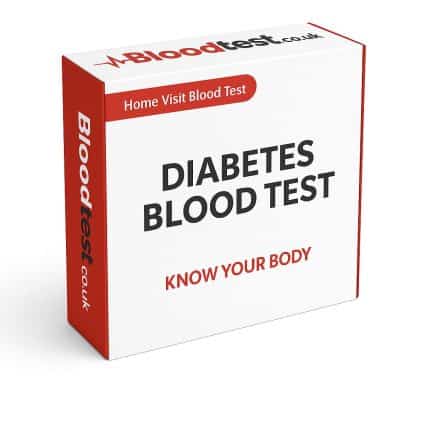

The initial assessment is crucial as it establishes the foundation for further testing and management. Patients are encouraged to communicate any symptoms or concerns with their GP, who can provide personalised advice. In Leeds, there is a strong emphasis on early detection, significantly impacting long-term health outcomes.
Once the fasting plasma glucose test is completed, patients typically receive their results within a few days. This swift turnaround allows healthcare providers to make informed decisions regarding the patient’s care plan, ensuring timely interventions when necessary.
Varied Testing Methods for Diabetes Diagnosis
Leeds offers a range of testing options for diagnosing diabetes, including the HbA1c test and the oral glucose tolerance test (OGTT). The HbA1c test evaluates average blood sugar levels over the previous two to three months, providing a comprehensive view of long-term glucose control. This test is commonly used across NHS facilities in the area.
In contrast, the OGTT involves an overnight fast followed by the consumption of a sugary solution, with blood glucose levels measured at intervals. Both testing methods adhere to UK medical standards, ensuring patients receive reliable evaluations.
Patients in Leeds benefit from a comprehensive approach to diabetes testing. Clinics often provide multiple testing options, allowing for tailored care that considers individual health needs and risk factors. This variety ensures that residents can access the most appropriate assessments for their specific circumstances.
Why Is Early Detection of Diabetes Crucial?
Early identification of diabetes through blood tests is vital for effective management and the prevention of complications. For those living in Leeds, prompt testing can facilitate early intervention, critical for controlling blood sugar levels and reducing the risk of serious health issues. The sooner diabetes is diagnosed, the more effective subsequent treatment can be.
Healthcare professionals in Leeds highlight the importance of regular screenings, especially for individuals with risk factors such as obesity, a family history of diabetes, or a sedentary lifestyle. Early diagnosis allows patients to implement lifestyle changes and receive appropriate medical care for managing their conditions.
Detecting diabetes early reduces the emotional and psychological burden often associated with the condition. Patients who understand their health status can take proactive steps to improve their wellbeing, leading to better overall outcomes and quality of life.
Preparing Effectively for Diabetes Blood Tests
Residents in Leeds should follow specific guidelines when preparing for diabetes blood tests to ensure accurate results. A primary recommendation involves adhering to fasting requirements, which typically means abstaining from food and drink (except water) for at least eight hours before the test. This fasting period is essential for obtaining reliable blood glucose readings.
Patients should also consider any medications they are currently taking. It is wise to consult healthcare providers in Leeds regarding whether to continue regular medications before the test, as some substances can affect blood sugar levels. This consultation guarantees patients receive the most precise assessment of their condition.
Arriving for their appointment with the necessary documentation, including identification and relevant medical history, is also advisable. Being well-prepared streamlines the testing process and assists healthcare professionals in delivering the best care during the visit.
Interpreting Your Test Results
After undergoing blood tests for diabetes in Leeds, patients receive their results from qualified healthcare providers. Understanding these results is crucial for effective diabetes management. Healthcare professionals dedicate time to explain the significance of the numbers, including what normal ranges and elevated blood sugar levels entail.
Patients are encouraged to ask questions about their results and voice any concerns they may have. This dialogue is vital for ensuring individuals fully comprehend their diabetes status and its implications for their health. In Leeds, healthcare providers focus on empowering patients with knowledge to make informed decisions regarding their care.
Following the interpretation of results, healthcare providers outline the necessary next steps. This may involve lifestyle changes, medication adjustments, or further testing. The aim is to establish a personalised management plan that aligns with established UK health protocols, ensuring effective ongoing diabetes management.
NHS Guidelines for Diabetes Testing in Leeds
Referral Processes for Testing
General practitioners in Leeds adhere to strict NHS protocols when referring patients for blood tests. This systematic approach guarantees timely and appropriate diabetes screening within the UK healthcare framework. When patients exhibit symptoms or risk factors, GPs initiate the referral process efficiently.
The referral process typically includes a thorough evaluation of the patient’s medical history and current health status. This assessment enables healthcare providers to determine the most suitable testing options based on individual needs. In Leeds, GPs are trained to recognise the symptoms of diabetes and act promptly to facilitate testing.
Once a referral is made, patients are usually contacted by the testing facility to arrange an appointment. This streamlined process reduces waiting times and ensures individuals receive necessary evaluations without delay, contributing to improved health outcomes.
Eligibility Criteria for Testing
In Leeds, specific symptoms and risk factors determine eligibility for free NHS blood tests for diabetes. The NHS prioritises testing for individuals exhibiting symptoms such as increased thirst, frequent urination, fatigue, or unexplained weight loss. Those with risk factors like obesity or a family history of diabetes also qualify for testing.
These eligibility criteria are established to ensure that those in need of testing receive it without delay. This strategy aids in the early identification of undiagnosed diabetes, enabling timely intervention and management. In Leeds, healthcare providers are dedicated to ensuring that all eligible individuals can access these essential tests.
Patients unsure about their eligibility should consult their GP, who can provide guidance tailored to individual circumstances. The NHS aims to make testing accessible to all Leeds residents, promoting early detection and effective diabetes management throughout the region.
The Importance of Follow-Up Care
After initial diabetes testing, ongoing monitoring is critical for effective long-term management. NHS facilities in Leeds offer comprehensive follow-up care to assist patients in managing their condition. This may include regular check-ups, additional blood tests, and consultations with healthcare professionals.
Follow-up care is customised to each patient’s needs, ensuring that individuals receive the appropriate level of support. Healthcare providers in Leeds collaborate with patients to develop personalised management plans that may include lifestyle modifications, dietary advice, or medication adjustments.
The significance of follow-up care is profound, as it helps prevent complications associated with unmanaged diabetes. By maintaining consistent contact with healthcare providers, patients can stay informed about their condition and make necessary adjustments to their treatment plans, ultimately leading to improved health outcomes.
What Are the Costs Associated with Blood Tests for Diabetes in Leeds?
NHS Funding for Testing
Most blood tests for diabetes in Leeds are funded by the National Health Service, allowing eligible patients to access these essential services without direct costs. This funding option represents a significant advantage for residents, ensuring financial barriers do not impede access to necessary evaluations.
Key benefits of diabetes testing through the NHS include:
- Free access to essential blood tests
- Timely diagnosis and intervention
- Comprehensive follow-up care
- Access to educational resources and support
This funding model promotes early detection and effective management of diabetes, ultimately leading to improved health outcomes for patients in Leeds.
Patients are encouraged to confirm their eligibility for NHS-funded testing. Individuals experiencing symptoms or possessing risk factors should consult their GP, who can guide them through the process to ensure they receive the necessary evaluations at no cost.
Costs of Private Testing
For those seeking quicker access to blood tests for diabetes in Leeds, private clinics provide an alternative option. These clinics may charge varying fees depending on the specific type of diabetes screening required. Prices can range from modest amounts for basic tests to higher fees for comprehensive assessments.
Choosing private testing may benefit patients who prefer expedited results or do not meet NHS eligibility criteria. Individuals should carefully weigh the costs against the potential benefits and evaluate their financial situation before opting for private testing.
Patients interested in private testing should research local clinics in Leeds and compare services and prices. Many clinics offer transparent pricing information, enabling individuals to make informed decisions based on their healthcare needs and budget.
Insurance Coverage for Testing
Certain private health insurance plans in the UK may reimburse the costs of diabetes blood tests conducted in Leeds. This coverage can alleviate financial burdens for policyholders, facilitating access to necessary evaluations without significant out-of-pocket expenses.
Patients should review their insurance policies to understand the specifics of their coverage, including any limitations or reimbursement requirements. Contacting the insurance provider for clarification on which tests are covered and the claims submission process is advisable.
For those without insurance, exploring NHS options remains a viable choice, as many residents in Leeds can access free testing based on eligibility criteria. Understanding the available financial options can help patients make informed choices about their diabetes testing and management.
Insights from Experts on Diabetes Blood Testing in Leeds
Ensuring Laboratory Precision
Laboratory precision is essential for diabetes blood tests, and NHS laboratories in Leeds adhere to stringent standards to ensure high accuracy in test results. These facilities employ advanced technology and follow rigorous protocols to minimise errors, providing patients with reliable information about their health.
Real-world examples from NHS labs in Leeds illustrate their commitment to precision. Regular quality control measures and participation in external quality assessment programmes help maintain elevated standards. Patients can trust that their blood test results accurately reflect their true health status, enabling effective diabetes management.
Healthcare professionals in Leeds are trained to interpret these results accurately, further enhancing the reliability of the testing process. By ensuring that laboratory standards are upheld, NHS facilities significantly contribute to the overall quality of diabetes care in the region.
Effectively Understanding Results
Interpreting blood sugar readings from tests in Leeds requires a nuanced understanding of the data within the context of UK medical practices. Healthcare providers play a pivotal role in helping patients comprehend their test results, explaining what each number signifies and its implications for their health.
Patients are encouraged to discuss their results with their healthcare providers. This dialogue is fundamental for understanding not only the numerical values but also the recommended next steps for managing diabetes. In Leeds, healthcare professionals strive to empower patients with knowledge, enabling them to take an active role in their care.
Understanding the context of test results is essential. For example, a single elevated reading does not necessarily indicate diabetes, but consistent patterns may warrant further evaluation. Healthcare providers in Leeds highlight the importance of analysing trends over time, helping patients to grasp the broader picture of their health.
Avoiding Common Mistakes
To ensure reliable outcomes from diabetes blood tests performed in Leeds, patients should be mindful of common mistakes that can impact test results. One significant factor is adherence to fasting guidelines. Failing to fast properly may lead to inaccurate readings, potentially resulting in misdiagnosis or inappropriate treatment.
Another common oversight is neglecting to disclose to healthcare providers any medications or supplements being taken. Certain substances can influence blood sugar levels, and transparency is critical for the accurate interpretation of results. Patients should always discuss their complete medical history with their GP before testing.
Lastly, patients should refrain from making abrupt lifestyle changes immediately before their tests. Sudden alterations in diet or exercise can skew results, leading to confusion regarding true blood sugar levels. Maintaining a consistent routine leading up to the test is essential for obtaining the most accurate assessment of diabetes risk.
How Can Patients Prepare for a Blood Test for Diabetes in Leeds?
Fasting Requirements
Individuals scheduled for diabetes blood tests in Leeds must adhere to specific fasting periods as directed by NHS practitioners. Typically, this involves refraining from eating or drinking anything other than water for at least eight hours before the test. Fasting is vital for obtaining accurate blood glucose readings.
Patients should plan their appointments accordingly, often scheduling tests early in the morning to meet fasting requirements. This not only ensures accuracy but also makes the experience more manageable, as individuals can resume normal eating promptly after the test concludes.
Patients must understand the rationale behind fasting. By abstaining from food, the body’s blood sugar levels stabilise, providing a clearer understanding of how effectively it manages glucose. This clarity is essential for accurate diagnosis and effective diabetes management.
Medication Adjustments
Consultations with doctors in Leeds may involve temporary medication adjustments before blood tests to ensure valid diabetes assessment results. Patients should discuss their current medications with healthcare providers, as some drugs can impact blood sugar levels and potentially skew test results.
In certain cases, healthcare professionals may recommend pausing specific medications before testing. This approach allows for a more accurate evaluation of the patient’s baseline blood sugar levels, which is critical for correctly diagnosing diabetes. Patients should closely adhere to their doctor’s advice to optimise the accuracy of their test results.
Patients should refrain from making any alterations to their medication regimen without first consulting their healthcare provider. Communication is vital to ensure that any adjustments made are safe and appropriate, ultimately leading to better health outcomes.
Essential Items to Bring to Appointments
Arriving prepared for diabetes blood tests at healthcare centres in Leeds is crucial for a smooth process. Patients should bring identification, such as a driver’s licence or NHS card, along with any relevant medical history documentation. This information assists healthcare professionals in providing tailored care based on individual circumstances.
It is also advisable for patients to compile a list of their current medications and dosages. This information can be crucial for healthcare providers in assessing potential influences on blood sugar levels and determining the most appropriate testing approach. Being well-prepared enhances the efficiency of the appointment.
Lastly, patients should consider bringing a list of questions or concerns regarding their diabetes testing and management. Engaging in open dialogue with healthcare professionals not only fosters a better understanding of the process but also empowers patients to take an active role in their healthcare.
Research-Backed Benefits of Blood Tests for Diabetes in Leeds
Improved Health Outcomes
Research indicates that regular diabetes blood tests in Leeds lead to enhanced health outcomes for patients within the UK healthcare framework. By facilitating early detection and timely intervention, these tests promote effective management of diabetes, thereby reducing the risk of complications associated with unmanaged diabetes.
Studies suggest that patients who undergo regular testing are more likely to implement lifestyle changes that positively influence their health. This proactive approach not only improves blood sugar control but also contributes to overall wellbeing, decreasing the incidence of diabetes-related complications.
Regular monitoring allows healthcare providers to adjust treatment plans as necessary, ensuring patients receive the most effective care. This flexibility is vital in managing a chronic condition like diabetes, where individual needs can evolve.
Preventing Complications
Evidence from UK research highlights the role of timely tests in Leeds in reducing the risks associated with unmanaged diabetes. Regular blood testing enables healthcare professionals to identify potential issues early, facilitating prompt intervention and minimising the likelihood of severe complications such as neuropathy, retinopathy, or cardiovascular disease.
By prioritising regular testing, patients can stay informed about their blood sugar levels and make necessary adjustments to their lifestyle or treatment plans. This proactive approach is crucial for preventing complications and ensuring long-term health.
Healthcare providers in Leeds collaborate with patients to develop personalised management strategies based on test results. This partnership fosters a supportive environment, empowering individuals to take charge of their health and reduce the risks associated with diabetes.
Enhancing Patient Awareness
Research shows that increased knowledge gained from testing programmes in Leeds empowers individuals managing diabetes throughout the UK. When patients comprehend their blood test results and their implications for their health, they are more likely to engage in proactive management of their condition.
Education is a fundamental aspect of diabetes care, and healthcare providers in Leeds prioritise patient education during consultations. By clarifying the significance of test results and offering guidance on lifestyle modifications, healthcare professionals assist patients in making informed decisions that positively impact their health.
Support groups and community resources in Leeds offer additional avenues for patients to acquire knowledge and share experiences. This sense of community nurtures a supportive network that encourages individuals to take an active role in managing their diabetes, ultimately leading to improved health outcomes.
Where to Get Blood Tests for Diabetes in Leeds
Accessing GP Services
Local general practitioner surgeries across Leeds provide convenient access to NHS diabetes blood tests for residents. These surgeries often serve as the first point of contact for individuals concerned about their diabetes risk. GPs can assess symptoms, determine eligibility for testing, and arrange necessary blood tests.
Patients can easily schedule appointments at their local GP surgery, ensuring timely evaluations. Many surgeries offer flexible scheduling options, making it easier for individuals to access testing services without significantly disrupting their daily routines.
To blood tests, GP surgeries in Leeds frequently provide valuable resources and support for individuals managing diabetes. This includes educational materials, lifestyle advice, and referrals to specialists when needed, creating a comprehensive care pathway for patients.
Specialised Testing Services at Hospitals
Major hospitals in Leeds offer specialised diabetes testing facilities, ensuring comprehensive care in line with national health standards. These hospitals are equipped with advanced technology and staffed by experienced healthcare professionals dedicated to diabetes management.
Patients referred for testing at hospital facilities benefit from a multidisciplinary approach, with access to endocrinologists, dietitians, and diabetes educators. This collaborative model enhances the quality of care and guarantees that individuals receive tailored support based on their unique needs.
Hospitals in Leeds often participate in research initiatives aimed at improving diabetes care. This involvement allows patients to benefit from the latest advancements in testing and treatment, ensuring they receive the highest standard of care.
Community Clinic Accessibility
Dedicated community clinics in Leeds facilitate easy booking for blood tests, efficiently supporting diabetes screening needs. These clinics are designed to provide accessible healthcare services, ensuring that residents can obtain necessary evaluations without encountering barriers.
Community clinics frequently offer extended hours and walk-in appointments, making it convenient for individuals to access testing services. This flexibility is particularly beneficial for those with busy schedules or other commitments that may hinder their ability to attend traditional appointments.
Community clinics in Leeds often conduct outreach initiatives to raise awareness of diabetes and the importance of regular testing. By promoting these services, clinics help ensure that residents are informed and motivated to take proactive steps toward managing their health.
Effective Strategies for Blood Tests for Diabetes in Leeds
Establishing Routine Check-Up Schedules
Establishing regular diabetes check-ups is essential for effective monitoring, and many individuals in Leeds successfully integrate this into their healthcare routines through NHS services. By setting reminders for annual or biannual check-ups, patients can ensure they remain vigilant about their health.
Real-world examples demonstrate the advantages of consistent monitoring. Patients who regularly schedule blood tests often report improved management of their condition, as they can make timely adjustments to their lifestyle or treatment plans based on the latest results. This proactive approach fosters a sense of control over their health.
Healthcare providers in Leeds encourage patients to view regular check-ups as an integral component of their overall health strategy. By prioritising these appointments, individuals can maintain awareness of their blood sugar levels and take necessary action to prevent diabetes-related complications.
Integrating Lifestyle Changes
Combining lifestyle modifications with blood test results from Leeds is crucial for effective diabetes management. Patients are encouraged to adopt a holistic approach that incorporates dietary changes, physical activity, and regular monitoring of blood sugar levels.
Actionable steps include maintaining a balanced diet rich in whole grains, fruits, and vegetables while minimising sugary and processed foods. Regular physical activity, such as walking or cycling, can also significantly impact blood sugar levels. By aligning these lifestyle changes with test results, individuals can enhance their condition management.
Healthcare providers in Leeds often collaborate with patients to develop personalised lifestyle plans that consider individual preferences and needs. This cooperative approach enhances adherence to recommended changes, ultimately leading to better health outcomes and quality of life for those living with diabetes.
Tracking Progress Over Time
Monitoring progress through repeated tests in Leeds is vital for evaluating the effectiveness of diabetes management strategies. Patients are encouraged to track their blood sugar levels over time, noting any patterns or changes that may arise. This data can provide valuable insights for both patients and healthcare providers.
Expert analysis of these trends helps patients comprehend how their lifestyle choices and treatment plans impact their health. For instance, consistent monitoring may reveal the effectiveness of dietary changes or medication adjustments, allowing for timely interventions when necessary.
In Leeds, healthcare professionals support patients in tracking their progress by providing tools and resources. This may include apps or journals for recording blood sugar levels, as well as regular consultations to discuss findings and make informed decisions about ongoing management.
Selecting Appropriate Tests
Choosing suitable blood tests, such as the HbA1c or glucose tolerance tests, is vital for effective diabetes care in Leeds. Patients should consult with healthcare providers to determine which tests align best with their individual health needs and circumstances.
Healthcare professionals can guide patients through the decision-making process, considering factors such as symptoms, risk factors, and previous test results. This personalised approach ensures that individuals receive the most relevant assessments for their diabetes management.
Understanding the differences between various tests can empower patients to take an active role in their care. For example, knowing that the HbA1c test provides insights into long-term blood sugar control can help patients appreciate its importance in effectively managing their diabetes.
Preparing for Appointments
Preparing for blood tests in Leeds involves several essential steps to ensure accurate outcomes during visits to local medical facilities. Patients should adhere to fasting requirements, as previously discussed, to obtain reliable blood sugar readings.
To fasting, individuals should gather necessary documents, including identification and a list of current medications. This preparation facilitates a smooth appointment process and ensures that healthcare providers have all the information needed to make informed decisions.
Lastly, patients are encouraged to arrive with a list of questions or concerns regarding their diabetes testing and management. Engaging in open discussions with healthcare professionals fosters a collaborative approach to care, ultimately leading to better health outcomes.
Managing Results from Diabetes Blood Tests in Leeds
Engaging in Conversations with Healthcare Providers
After receiving diabetes test results, patients in Leeds should take the opportunity to discuss their findings with healthcare providers. This conversation is essential for developing personalised management plans that reflect individual health needs and goals.
Healthcare professionals are equipped to interpret test results accurately and provide context regarding what the numbers signify. By engaging in open dialogue, patients can gain a deeper understanding of their condition and the steps necessary for effective management.
Discussing findings allows for the identification of potential areas for improvement. For instance, patients may explore lifestyle changes or medication adjustments based on their results, fostering a proactive approach to diabetes management.
Available Support Resources
Numerous NHS support groups in Leeds assist individuals in interpreting and acting on blood test results for diabetes. These resources offer valuable information and guidance, helping patients understand their results and the implications for their health.
Support groups often provide educational sessions, workshops, and peer support, creating a sense of community among individuals managing diabetes. This collaborative environment encourages participants to share experiences and strategies, enhancing their overall understanding of the condition.
Healthcare professionals in Leeds are available to provide individual support and guidance. Patients are encouraged to reach out with questions or concerns to ensure they have access to the resources needed to navigate their diabetes management effectively.
Long-Term Health Planning Strategies
Strategic planning based on diabetes test data facilitates sustained management aligned with UK health recommendations. Patients in Leeds are encouraged to collaborate closely with healthcare providers to develop long-term health plans that consider their unique circumstances and objectives.
This planning often involves setting achievable targets for blood sugar control and incorporating lifestyle changes that support overall health. By adopting a proactive approach, individuals can minimise the risk of complications associated with unmanaged diabetes.
Regular reviews of health plans ensure that adjustments can be made as needed. This adaptability is crucial for effective diabetes management, allowing patients to respond to changes in their health status and make informed decisions about their care.
Frequently Asked Questions
What does a blood test for diabetes involve?
A blood test for diabetes measures blood glucose levels to determine whether an individual has diabetes or is at risk. Common tests include fasting plasma glucose and HbA1c tests.
How can I access a blood test for diabetes in Leeds?
You can obtain a blood test for diabetes in Leeds through your GP, who will assess your risk and refer you for testing at NHS facilities.
Are blood tests for diabetes free in the UK?
Yes, most blood tests for diabetes are funded by the NHS at no direct cost to eligible patients in the UK, including those in Leeds.
How often should I be tested for diabetes?
It is generally recommended to undergo testing for diabetes every one to three years, depending on risk factors and age. Consult your GP for personalised advice.
What should I do if my blood test results are high?
If your blood test results indicate elevated glucose levels, consult your healthcare provider to discuss the next steps, which may involve lifestyle changes or medication adjustments.
Can I eat before a blood test for diabetes?
For most diabetes blood tests, fasting for at least eight hours prior is required. Always follow specific instructions provided by your healthcare provider.
What are the common symptoms of diabetes?
Common symptoms of diabetes include increased thirst, frequent urination, fatigue, blurred vision, and unexplained weight loss. If you experience these symptoms, consult your GP.
How is diabetes managed after diagnosis?
Diabetes management typically involves lifestyle modifications, regular monitoring of blood sugar levels, and possibly medication. Your healthcare provider will assist in creating a personalised plan.
What lifestyle changes can help in managing diabetes?
Key lifestyle changes encompass adopting a balanced diet, engaging in regular physical activity, maintaining a healthy weight, and consistently monitoring blood sugar levels.
Are there support groups for diabetes in Leeds?
Yes, a variety of NHS support groups and community resources in Leeds offer education, peer support, and guidance for individuals managing diabetes.