

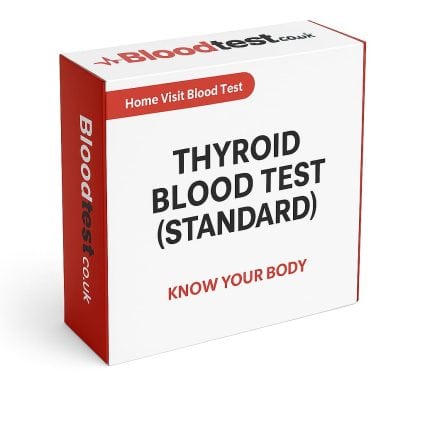
Explore the Importance of Thyroid Blood Tests for Your Health
What Essential Hormones Are Measured in a Thyroid Blood Test?
Private Thyroid Blood Test in Exeter: A blood test is an essential diagnostic tool that measures levels of key thyroid hormones, including thyroxine (T4) and triiodothyronine (T3), as well as thyroid-stimulating hormone (TSH). These measurements are vital for assessing the thyroid gland’s overall function. TSH, produced by the pituitary gland, plays a significant role in regulating the synthesis of T4 and T3. An imbalance in these hormones can lead to serious health issues, such as hypothyroidism (characterised by an underactive thyroid) or hyperthyroidism (indicating an overactive thyroid). Understanding these hormone levels is crucial for diagnosing thyroid-related health conditions.

The significance of this test in Exeter cannot be overstated, as it is pivotal in diagnosing various thyroid disorders. For instance, elevated TSH levels coupled with low T4 levels may point towards hypothyroidism, while low TSH with heightened T4 and T3 levels may indicate hyperthyroidism. Understanding these hormonal dynamics is crucial for developing effective treatment strategies, which may include medication, lifestyle modifications, or additional diagnostic evaluations. Additionally, most thyroid blood tests screen for specific antibodies that can indicate autoimmune conditions such as Hashimoto’s thyroiditis or Graves’ disease. This thorough approach enables healthcare professionals to customise treatment plans effectively, addressing individual health needs and circumstances.
How Often Should You Get Your Thyroid Blood Test Done?
The regularity of thyroid blood tests is primarily influenced by an individual’s health status and associated risk factors. Generally, individuals with pre-existing thyroid conditions should undergo testing every 6 to 12 months. For those who do not exhibit symptoms but are considered at-risk—such as individuals with a familial history of thyroid disease or women over the age of 60—annual testing is often advisable. In Exeter, healthcare practitioners may recommend more frequent assessments if patients exhibit significant changes in symptoms or are undergoing alterations in their medication regimen. Maintaining open lines of communication with your general practitioner about any emerging symptoms is crucial. Regular monitoring not only facilitates timely adjustments in treatment but can also significantly improve overall health outcomes.
Furthermore, pregnant women or those trying to conceive should have their thyroid function evaluated early in their pregnancy, as thyroid hormones play a pivotal role in fetal development. Proactively addressing thyroid health can mitigate potential complications during pregnancy. Being aware of these guidelines enables individuals to take charge of their thyroid health effectively and ensure their well-being.
What Symptoms Should You Watch For That May Indicate Thyroid Issues?
Recognising the symptoms associated with thyroid issues is essential for prompt diagnosis and effective management. Common indicators include persistent fatigue, noticeable fluctuations in weight, mood disturbances, and heightened sensitivity to temperature extremes. For example, individuals suffering from hypothyroidism may experience weight gain, lethargy, and depressive symptoms, while those with hyperthyroidism often report unintended weight loss, anxiety, and intolerance to heat. In Exeter, many patients report symptoms that could easily be attributed to stress or other lifestyle factors, highlighting the importance of awareness. Additional symptoms may include dry skin, hair thinning, irregular menstrual cycles, and concentration difficulties. These signs emphasise the necessity for individuals to undergo a thyroid blood test, particularly if multiple symptoms manifest simultaneously. Early detection of these symptoms can lead to more effective treatment and a better quality of life.
It is essential to recognise that symptoms can manifest differently in each individual. Therefore, anyone experiencing a combination of these symptoms should seek a comprehensive assessment from their GP. Early detection, enabled by a simple blood test, can lead to effective treatment and significantly enhance quality of life, making it imperative to stay vigilant about any changes in your health.
Crucial Preparations to Make for Your Thyroid Blood Test in Exeter
Is Fasting Needed Before the Thyroid Blood Test?
Fasting is typically not required before a thyroid blood test. This convenience streamlines the process for patients in Exeter, allowing them to schedule their tests without the added burden of dietary restrictions. Nonetheless, it is crucial to follow any specific instructions from your healthcare provider, as they may have tailored recommendations based on your medical history or concurrent medications. Additionally, patients should be aware that certain substances, notably biotin supplements, can skew test results. While fasting may not be mandatory, abstaining from these supplements for at least 72 hours before the test is advisable. Consulting with your GP can clarify any specific preparations that may be necessary for your situation. Being properly prepared can significantly enhance test accuracy, which is vital for effective health management.
It is also beneficial to schedule your appointment at a time that fits your routine, so you arrive calm and collected for the test. Stress can affect hormone levels, so maintaining a calm mindset may help ensure accurate results. Proper preparation not only improves the testing experience but also contributes to obtaining reliable and meaningful results.
What Essential Documents Should You Bring to Your Thyroid Test Appointment?
When attending a thyroid blood test appointment in Exeter, arriving well-prepared is essential. Be sure to bring identification, such as a driving licence or NHS card, to facilitate check-in. Additionally, having relevant medical records readily available can help the healthcare provider gain a comprehensive understanding of your medical history. One of the most critical items to bring is an exhaustive list of medications you are currently taking. This list should include prescription drugs, over-the-counter medications, and any supplements. Certain medications can affect thyroid hormone levels, so providing this information will help the healthcare professional interpret your results accurately.
If you have any prior thyroid test results, particularly from other healthcare facilities, bringing them along can be beneficial. This will enable your current healthcare provider to make well-informed decisions based on the historical context of your thyroid health. By being organised, you can help ensure a smooth and efficient testing process, ultimately leading to better health outcomes.
What Steps Should You Take to Find a Reliable Testing Centre in Exeter?
Locating a suitable facility for a thyroid blood test in Exeter is straightforward. The initial step is to consult your GP, who can provide referrals to local facilities that offer thyroid testing. Many GP surgeries in Exeter include these tests as part of their routine health services. Alternatively, the NHS website can help you find nearby testing centres and display options based on your postcode. Conducting online searches for private clinics can also yield results; numerous facilities offer thyroid testing without requiring a referral. Evaluating the clinic’s reputation through patient reviews can help you make a more informed decision.
Another avenue is to contact local hospitals, such as the Royal Devon and Exeter Hospital, which provides comprehensive diagnostic services, including thyroid blood tests. When assessing your options, it’s prudent to consider factors such as location, wait times, and result availability to ensure you select a centre that effectively meets your needs. Taking the time to find the right facility can greatly enhance your overall testing experience and ensure you receive the best possible care.
When is the Optimal Time to Schedule Your Thyroid Blood Test?
Scheduling your thyroid blood test in Exeter is a vital component of the preparation process. It is often recommended to schedule your appointment in the morning, as thyroid hormone levels fluctuate throughout the day, with TSH typically peaking in the early hours. Therefore, morning tests can yield a more accurate representation of your thyroid function. Consult your GP to determine the optimal timing for your test, especially if you are on medication that could affect thyroid levels. Additionally, consider any personal scheduling constraints that may affect your ability to attend the appointment.
When planning your visit, be mindful of any upcoming events or commitments that may introduce stress or disrupt your routine. Arriving in a calm state can contribute to more accurate test results. Following your doctor’s recommendations and scheduling your test at a time that best suits you will help ensure you gain valuable insights into your thyroid health. This proactive approach can significantly enhance your overall well-being.
What Should You Avoid Before the Thyroid Blood Test?
Before undergoing a thyroid blood test in Exeter, it is critical to avoid certain substances that could compromise the accuracy of your results. One of the main substances to refrain from is biotin, a widely used supplement that can lead to falsely elevated thyroid hormone levels. It is advisable to discontinue biotin and similar supplements for at least 72 hours before the test. In addition to biotin, it is wise to consult your GP regarding any other medications or supplements you may be taking. Some prescription medications, particularly those that influence thyroid function, can also affect test outcomes. Your healthcare provider can advise you on whether to continue or temporarily discontinue these medications before testing.
Stress can also affect hormone levels. Consequently, it is prudent to approach the test day with a relaxed mindset. Consider using relaxation techniques, such as deep-breathing exercises or light physical activity, before your appointment. These measures can help ensure that your thyroid blood test results accurately reflect your thyroid health. Taking these precautions can lead to more reliable results and better health management.
Insights from Experts on Thyroid Blood Testing Practices in Exeter
What Innovations Are Advancing Thyroid Testing Practices?
Recent advances in thyroid testing have revolutionised the field, improving the accuracy and reliability of thyroid function evaluation. A notable development is the emergence of more sensitive assays for measuring thyroid hormone levels. These advanced tests can identify even subtle fluctuations, which is particularly advantageous for early diagnosis and management of thyroid disorders. In Exeter, these innovations have led to improved patient outcomes. For instance, individuals who may have been misdiagnosed due to borderline results are now receiving prompt and effective treatment. Another breakthrough is the use of genetic testing to evaluate the risk of thyroid diseases. This proactive strategy enables healthcare providers to identify individuals at heightened risk, enabling earlier preventive measures.
Moreover, telemedicine integration has broadened access to specialist consultations. Patients can now discuss their test results with endocrinologists remotely, ensuring they receive expert guidance without the inconvenience of travel. This convenience can significantly enhance patient engagement and treatment plan compliance, making thyroid health management more accessible for everyone.
How Do Healthcare Professionals Interpret Thyroid Test Results?
Interpreting thyroid test results requires a comprehensive analysis of numerical values, coupled with a patient’s clinical history and presenting symptoms. Normal ranges for TSH, T4, and T3 can vary slightly across laboratories, underscoring the importance of healthcare professionals in Exeter considering individual contexts. Experts recognise that abnormal results do not always signify a thyroid disorder. For example, a mildly elevated TSH level may not necessitate intervention if the patient shows no symptoms. In contrast, a low TSH level with high T4 levels may indicate hyperthyroidism that requires immediate attention. Common misinterpretations can result in unnecessary anxiety or inappropriate treatment choices. Therefore, thorough patient evaluations, including symptom assessments and any necessary additional tests, are crucial for accurate diagnoses.
Patients should engage in candid discussions with their healthcare providers to better comprehend their results and their implications. This collaboration ensures that patients are well-informed and can actively participate in their treatment decisions.
What Expert Recommendations Exist for Managing Thyroid Conditions?
Effectively managing thyroid conditions necessitates a comprehensive approach, as advocated by health experts in Exeter. Regular monitoring of thyroid hormone levels is crucial to ensure treatment efficacy. Patients should maintain open communication with their healthcare providers and promptly report any new or worsening symptoms. Lifestyle modifications can significantly influence thyroid health. Experts advocate for a balanced diet rich in essential nutrients, such as iodine, selenium, and zinc, all of which are crucial for optimal thyroid function. Additionally, incorporating regular physical activity can enhance overall well-being and help manage weight, particularly for individuals with hypothyroidism.
Adhering to prescribed medications is paramount for managing thyroid conditions. Patients should consistently take their medications as directed by their healthcare provider and schedule regular follow-up appointments to monitor progress. This proactive management strategy can improve health outcomes and quality of life for people living with thyroid disorders. By adopting these recommendations, individuals can significantly enhance their thyroid health.
How Can Patients in Exeter Access Thyroid Testing Services?
Patients in Exeter have several options for accessing thyroid testing services. The first step is typically through their GP, who can perform an initial evaluation and order necessary blood tests. This route is often the simplest and most cost-effective, especially for those eligible for NHS services. For individuals seeking quicker results or opting for a private service, several clinics in Exeter offer thyroid testing. Facilities such as Nuffield Health Exeter Hospital provide a range of diagnostic services, including thorough thyroid assessments. The process usually involves a consultation followed by blood sampling, with results delivered promptly.
Understanding the associated costs is also vital. While NHS tests are generally free for eligible patients, private tests can range from £50 to £200, depending on the clinic and additional services provided. Patients should evaluate their options and select a service that aligns with their needs, considering factors such as turnaround time for results and convenience of location. This careful planning can help ensure they receive the most appropriate and timely care.
What Role Do Thyroid Specialists Play in Exeter’s Healthcare System?
Thyroid specialists are a vital component of Exeter’s healthcare landscape, significantly contributing to the diagnosis and management of thyroid disorders. These endocrinologists possess extensive knowledge regarding thyroid physiology and pathology, enabling them to provide expert care for patients with complex or challenging cases. In Exeter, thyroid specialists work closely with general practitioners and other healthcare professionals to ensure a holistic approach to patient care. Their responsibilities often include interpreting complex test results, determining the necessity for further investigations, and developing tailored treatment plans. This collaborative effort enhances patient outcomes and provides a support network for those navigating thyroid health issues.
Furthermore, thyroid specialists in Exeter frequently conduct research and participate in clinical trials, contributing to advances in understanding thyroid diseases and their treatments. Their expertise not only aids in managing individual patient cases but also enriches the broader medical community’s knowledge base, benefiting future patients. The integration of specialists into the healthcare system ensures comprehensive support for individuals dealing with thyroid disorders.
Where Can You Obtain a Thyroid Blood Test in Exeter?
Which Hospitals Provide Thyroid Blood Tests?
Several hospitals in Exeter offer thyroid blood tests as part of their diagnostic services. The Royal Devon and Exeter Hospital is a leading facility offering comprehensive blood testing, including thyroid function evaluations. As a well-equipped teaching hospital, it utilises advanced testing technologies and boasts a dedicated team of specialists to interpret results accurately. Patients can access these services through outpatient appointments, ensuring that testing is both convenient and accessible. The hospital’s laboratories maintain high standards of quality control, delivering reliable results that healthcare providers can trust when making treatment decisions.
Additionally, the hospital participates in research initiatives that can improve testing protocols and patient care. Another option is the Exeter Nuffield Health Hospital, which also conducts thyroid blood tests. This private facility offers a more personalised service with typically shorter wait times for appointments and results. Patients seeking immediate access may find private hospitals a suitable option for thyroid testing.
Are There Private Clinics for Thyroid Testing in Exeter?
Indeed, Exeter is home to numerous private clinics that offer thyroid blood tests, catering to those who prefer faster service or a more tailored approach. Clinics such as Nuffield Health Exeter Hospital specialise in a variety of diagnostic services, including thyroid function testing. Patients can expect a streamlined experience, often with faster turnaround times for results than NHS services. Moreover, private clinics typically offer consultations where healthcare professionals can thoroughly discuss test results, helping patients understand the implications for their thyroid health. These appointments can often be scheduled without a referral, making it easier for individuals to pursue testing and management of thyroid conditions independently.
Patients should verify the credentials of private clinics and read reviews from previous patients to ensure they select a reputable facility. Understanding pricing structures in private healthcare is also crucial, as costs can vary significantly depending on the services offered. This discernment will help patients make informed decisions regarding their thyroid health.
Can You Get a Thyroid Blood Test at Your GP Surgery in Exeter?
Many GP surgeries in Exeter offer thyroid blood tests, making them a convenient option for patients seeking evaluation of their thyroid health. This service is frequently incorporated into routine health checks or initiated when patients present with symptoms indicative of thyroid disorders. When visiting a GP clinic, healthcare providers typically conduct a comprehensive assessment, including a review of symptoms and medical history, before ordering the necessary blood tests. This approach ensures that tests are appropriate and targeted towards the patient’s specific needs.
In addition to routine checks, GP surgeries often facilitate follow-up appointments to discuss test results and any necessary treatment plans. This continuity of care is crucial for effectively managing thyroid conditions, enabling adjustments in medication or lifestyle changes as needed. Engaging proactively with your GP can significantly enhance your understanding and management of thyroid health.
What Benefits Does a Thyroid Blood Test Offer?
How Can Early Detection Improve Your Health Outcomes?
Early detection of thyroid issues through blood tests can significantly improve patient health outcomes. When thyroid disorders are identified quickly, timely treatment can prevent complications that may arise from unmanaged conditions. This proactive approach is crucial in minimising the long-term impact on a patient’s quality of life. Key advantages of early thyroid detection encompass:
- Timely intervention: Early diagnosis enables treatment before symptoms escalate.
- Improved management: Regular monitoring enables tailoring treatment plans to individual needs.
- Prevention of complications: Early treatment helps avert serious health issues, including cardiovascular diseases and mental health disorders.
- Enhanced quality of life: Patients often report feeling better and more energised once thyroid function is optimised.
Patients in Exeter can particularly benefit from these advantages, given the increasing availability of testing services. Ensuring regular checks, especially for those at risk, can improve overall health management and quality of life. By prioritising thyroid health, individuals can take significant strides towards achieving better well-being.
Can Thyroid Blood Tests Aid in Weight Management?
Thyroid blood tests play a critical role in weight management, especially for individuals experiencing unexplained weight fluctuations. Conditions such as hypothyroidism can result in weight gain due to a slowed metabolism, while hyperthyroidism may lead to unintentional weight loss. Identifying these underlying issues through blood tests enables the development of tailored treatments that help patients effectively manage their weight. In Exeter, healthcare professionals frequently recommend thyroid testing for patients grappling with weight concerns. Once thyroid imbalances are diagnosed, appropriate interventions, such as medication or lifestyle modifications, can be implemented to address the condition.
For instance, individuals with hypothyroidism may benefit from dietary adjustments and thyroid hormone replacement therapy, leading to weight stabilisation. Furthermore, understanding the integral role of thyroid health in weight management empowers patients to make informed lifestyle choices. This knowledge enables individuals to proactively manage their health, leading to more effective long-term weight-control strategies. Taking charge of thyroid health can lead to better overall wellness.
What Role Do Thyroid Blood Tests Play in Fertility?
Thyroid blood tests are crucial for evaluating fertility, as thyroid disorders can have a profound impact on reproductive health and pregnancy outcomes. In women, both hypothyroidism and hyperthyroidism can disrupt menstrual cycles and ovulation, complicating the process of conception. Healthcare professionals in Exeter often advocate for thyroid testing for couples facing fertility challenges. By identifying and addressing any thyroid dysfunction, patients can improve their chances of conceiving. For example, normalising thyroid hormone levels can help regulate menstrual cycles, thereby enhancing the likelihood of ovulation.
During pregnancy, maintaining optimal thyroid function is vital for fetal development. Untreated thyroid disorders during pregnancy can result in complications such as preterm birth, low birth weight, and developmental issues in the child. Therefore, regular thyroid monitoring is essential for women who are pregnant or planning to conceive, ensuring the health of both the mother and the developing fetus is protected. This proactive approach can significantly enhance reproductive health outcomes.
Understanding Thyroid Blood Test Results
What Do Abnormal Thyroid Levels Indicate for Patients?
Abnormal thyroid test results can signal a variety of conditions, including hypothyroidism, hyperthyroidism, and thyroiditis. For instance, elevated TSH levels alongside low T4 levels typically indicate hypothyroidism, where the thyroid gland is underactive and fails to produce adequate hormones. Symptoms may include fatigue, weight gain, and depression, necessitating further evaluation and treatment. Conversely, low TSH levels, combined with elevated T4 and T3, often indicate hyperthyroidism, a condition in which the thyroid gland is overactive. Symptoms associated with hyperthyroidism include weight loss, anxiety, and increased heart rate, which require prompt intervention. In Exeter, early identification of these abnormalities can enable effective management strategies tailored to each patient’s specific needs.
Additionally, abnormal results may indicate autoimmune conditions, such as Hashimoto’s thyroiditis or Graves’ disease, highlighting the necessity for further diagnostic testing. These conditions can significantly affect thyroid function and overall health, necessitating a comprehensive treatment and management approach. Engaging in thorough discussions with healthcare providers can empower patients to better understand their health conditions.
How Are Thyroid Test Results Reported to Patients?
Thyroid test results are generally reported as numerical values alongside established reference ranges, providing a framework for interpreting whether levels are normal, elevated, or decreased. Each laboratory may have slight variations in reference ranges, so healthcare providers in Exeter must account for these differences when interpreting results. For example, the typical reference range for TSH is 0.4-4.0 mIU/L, although slight variations may occur. Results falling outside this range prompt further investigation. When interpreting results, healthcare professionals also consider the patient’s symptoms and medical history, providing a more comprehensive understanding of their thyroid health.
Patients should be encouraged to discuss their results with their GP or endocrinologist. Understanding the context of these values, including their relationship to symptoms and overall health, can empower patients to take an active role in managing their thyroid conditions. This collaboration facilitates informed decision-making regarding their health.
What Follow-Up Tests Might Be Necessary After Initial Testing?
Follow-up tests are often necessary to provide a more comprehensive picture of thyroid health after initial blood tests. Depending on the results, additional blood tests may be required to measure specific thyroid antibodies or assess levels of other hormones that may affect thyroid function. In some cases, imaging studies such as ultrasound may be necessary to evaluate the thyroid gland’s structure, particularly if nodules or abnormalities are detected. This diagnostic imaging helps healthcare providers assess the gland’s health and determine appropriate management strategies.
If initial tests suggest a significant thyroid disorder or if symptoms persist despite treatment, referrals to endocrinologists for specialised assessment and management may be necessary. In Exeter, patients can expect a thorough approach that combines blood tests, imaging, and expert consultations to ensure comprehensive care and effective treatment planning. This multi-faceted approach is crucial for long-term health and wellness.
Effective Strategies for Thyroid Blood Testing in Exeter
How Can You Ensure Accurate Test Results?
To ensure accurate thyroid blood test results, patients in Exeter should adhere to several key pre-test guidelines. Firstly, it is essential to follow any fasting or medication instructions provided by the healthcare provider. For example, avoiding biotin and certain medications for 72 hours before testing can prevent interference with results. Maintaining a consistent test timing routine is also beneficial. If feasible, patients should try to schedule tests at the same time of day to account for diurnal variations in hormone levels. This consistency helps ensure results are comparable over time.
Additionally, managing stress in the lead-up to the test can improve results. Engaging in relaxation techniques, such as meditation or gentle exercise, can help mitigate anxiety. This holistic approach to test preparation can significantly enhance the accuracy and reliability of the results, leading to better-informed clinical decisions. By taking these steps, patients can contribute to more effective health management and outcomes.
What Should You Do If Your Results Are Abnormal?
If thyroid blood test results are abnormal, it is imperative to consult your GP in Exeter promptly for further evaluation. Abnormal results may require additional testing or immediate adjustments to your treatment plan, depending on the findings. Patients should be prepared for a thorough discussion of their results, including the implications of the findings and potential next steps. This may involve further diagnostic testing to ascertain the underlying cause of the abnormalities. It is essential to approach this process with an open mind and a willingness to collaborate with your healthcare provider to create an effective management plan.
In Exeter, numerous support networks and resources are available for individuals grappling with abnormal thyroid results. Engaging with these communities can provide emotional support and valuable information, empowering patients to take an active role in managing their health. This collective approach can enhance the overall health experience.
How Can You Maintain Thyroid Health After Testing?
Maintaining thyroid health requires a proactive strategy that encompasses regular monitoring, a well-balanced diet, and effective stress management. Following a thyroid blood test, patients should adhere to their healthcare provider’s recommendations regarding medication and lifestyle changes. Regular check-ups are vital for tracking hormone levels and ensuring that treatment remains effective. Consuming a diet rich in nutrients essential for thyroid function is critical. Incorporating foods rich in iodine, selenium, and zinc can help support thyroid health. For instance, including fish, dairy products, nuts, and whole grains into your diet can provide these necessary nutrients.
Furthermore, implementing stress-management techniques, such as yoga or mindfulness practices, can significantly affect thyroid health. Chronic stress can disrupt hormonal balance, exacerbating existing thyroid conditions. By focusing on holistic well-being, patients can markedly enhance their thyroid health and overall quality of life. This multifaceted approach is essential for sustaining thyroid function and health over the long term.
What Is the Average Timeframe for Receiving Thyroid Blood Test Results?
What Is the Standard Turnaround Time for Results?
The standard turnaround time for thyroid blood test results in Exeter is approximately 1 to 2 weeks, though this can vary by testing facility. NHS facilities aim to provide results within this timeframe, allowing healthcare providers to discuss findings and formulate treatment plans without significant delays. In private clinics, patients may receive results more rapidly, often within a few days. This expedited service can be particularly beneficial for individuals eager to initiate treatment or those experiencing concerning symptoms.
Regardless of the testing facility, patients should discuss expected timelines with their healthcare provider at the time of testing. Understanding the process can alleviate anxiety and help patients plan for follow-up appointments or consultations. This foresight can enhance the overall healthcare experience.
Can You Obtain Expedited Results in Exeter?
Yes, some private clinics in Exeter offer expedited thyroid blood test results for an additional fee. This option may appeal to patients who need prompt information due to ongoing health concerns or who want to start treatment as soon as possible. Patients considering expedited services should inquire about the associated costs and expected turnaround times to ensure they align with their requirements. While private testing may incur higher fees, the benefits of rapid results can often justify the expense, especially when immediate intervention is required.
In Exeter, private clinics are equipped to handle these requests efficiently, ensuring that patients receive the attention and expedited service they require for their thyroid health. This responsiveness can significantly enhance patient satisfaction.
How Are Results Communicated to Patients?
Results from thyroid blood tests are typically communicated to patients via a follow-up appointment, a phone call, or the NHS app, depending on the healthcare provider’s protocols in Exeter. Many healthcare professionals prefer to discuss results in person, as this allows for a comprehensive explanation and discussion of any necessary next steps or treatment plans. For patients who receive results via phone or digital platforms, it is essential to have the opportunity to ask questions and clarify any uncertainties.
Ensuring clear communication between healthcare providers and patients is vital to facilitate understanding and foster engagement in one’s health management. In general, patients are encouraged to participate in discussions about their results actively, understand the implications, and any recommended actions. Open dialogue with healthcare providers fosters a supportive environment that promotes effective thyroid health management.
Cost and Accessibility of Thyroid Blood Tests in Exeter
Are Thyroid Blood Tests Covered by the NHS?
Thyroid blood tests are typically covered by the NHS in Exeter when ordered by a GP for medical necessity. This coverage includes tests to assess thyroid function, including TSH, T4, and T3 measurements. Patients experiencing symptoms that may indicate thyroid disorders are encouraged to consult their GP to discuss testing options. Utilising NHS services allows patients to receive essential blood tests without incurring out-of-pocket expenses, ensuring equitable healthcare access for individuals regardless of their financial circumstances.
The straightforward process of visiting a GP surgery for evaluation and subsequent testing streamlines care for patients in Exeter. Patients need to understand that not all tests may be covered if deemed unnecessary or if testing is requested without a clear clinical indication. Engaging in open discussions with healthcare providers can help clarify these details and ensure patients receive appropriate care.
What Is the Cost of a Private Thyroid Blood Test?
The cost of a private thyroid blood test in Exeter typically ranges from £50 to £200, depending on the clinic and any additional services included in the testing package. Private tests are often preferred by patients seeking quicker access to testing and results or those who desire a more personalised healthcare experience. Patients considering private testing should inquire about the scope of each package, as some clinics may include comprehensive evaluations or follow-up consultations. Understanding the costs associated with different options will help patients make informed healthcare decisions.
While private testing may incur higher costs, the convenience and expedited results can be particularly appealing for individuals who need timely action on their thyroid health. This consideration can be crucial for making informed choices.
How Accessible Are Thyroid Blood Tests in Exeter?
Thyroid blood tests are widely accessible in Exeter, with numerous options available for patients seeking evaluation of their thyroid health. NHS services routinely offer testing at local GP surgeries, while private clinics provide additional options for those who prefer expedited testing or personalised care. Many GP practices in Exeter incorporate thyroid testing into routine health assessments, improving patient access. The NHS’s commitment to delivering comprehensive healthcare ensures that patients can obtain necessary diagnostic tools without financial hardship.
Private clinics further enhance accessibility, often operating flexible hours and offering faster turnaround times for results. This range of options ensures that individuals in Exeter can receive timely, effective assessments for thyroid disorders, improving health management and outcomes. By exploring these options, patients can select the most suitable testing facility for their needs.
Where Can I Get a Thyroid Blood Test in Exeter?
Thyroid blood tests are available at multiple locations in Exeter to accommodate patient preferences and needs. The Royal Devon and Exeter Hospital offers a reliable option for comprehensive testing, with a dedicated team and advanced laboratory facilities. Patients can also consider private clinics such as Nuffield Health Exeter Hospital, which provide a more personalised experience with shorter waiting times. Many local GP surgeries also conduct thyroid blood tests, typically as part of routine evaluations or when specific symptoms are present.
By exploring these options, patients can select the testing facility that best aligns with their needs, ensuring convenient access to essential thyroid assessments. This careful consideration of available resources can enhance the testing experience.
What Is the Expected Timeframe for Receiving Thyroid Blood Test Results in Exeter?
Results from thyroid blood tests in Exeter usually take approximately 1 to 2 weeks from NHS services. This timeframe enables comprehensive analysis and quality assurance processes in the laboratory. Patients can expect their healthcare providers to communicate results promptly and schedule follow-up appointments as necessary. For those opting for private clinics, results may be available within a few days, offering a faster option for individuals eager to initiate treatment or experiencing concerning symptoms.
Understanding these timelines can help patients plan their healthcare journeys effectively, ensuring they remain engaged in managing their thyroid health. This awareness is vital for proactive health management.
Frequently Asked Questions About Thyroid Blood Tests
What Purpose Does a Thyroid Blood Test Serve?
A thyroid blood test is primarily used to assess thyroid function by measuring hormone levels and to aid the diagnosis of disorders such as hypothyroidism and hyperthyroidism.
How Can I Prepare for a Thyroid Blood Test?
To prepare for a thyroid blood test, follow your healthcare provider’s specific instructions, such as avoiding certain supplements, including biotin, for 72 hours before the test.
Is Fasting Required Before a Thyroid Blood Test?
Fasting is generally not necessary before a thyroid blood test, but it is advisable to follow any specific instructions provided by your healthcare provider.
How Are Thyroid Blood Test Results Interpreted?
Thyroid blood test results are interpreted by comparing them to reference ranges, taking into account the patient’s symptoms and medical history for a comprehensive evaluation.
What Steps Should I Take If My Thyroid Test Results Are Abnormal?
If your thyroid test results are abnormal, consult your GP for further evaluation and to discuss potential treatment options tailored to your specific condition.
Can I Obtain a Thyroid Blood Test at My GP Surgery?
Yes, many GP surgeries in Exeter provide thyroid blood tests as part of routine health checks or when specific symptoms are present.
What Is the Typical Turnaround Time for Thyroid Blood Test Results?
Typically, thyroid blood test results from NHS services in Exeter take about 1 to 2 weeks, while private clinics can provide results within a few days.
What Symptoms Are Associated with Thyroid Issues?
Symptoms of thyroid issues can include fatigue, weight fluctuations, mood changes, and sensitivity to temperature extremes, among others.
Does the NHS cover Thyroid Blood Tests?
Yes, thyroid blood tests are generally covered by the NHS in Exeter when ordered by a GP for medical necessity.
What Is the Cost of a Private Thyroid Blood Test?
The cost of a private thyroid blood test in Exeter can range from £50 to £200, depending on the clinic and services included.





Your insights into thyroid blood tests really highlight how crucial they are for understanding our overall health. It’s interesting to see how the delicate balance of TSH, T4, and T3 levels can significantly impact our well-being.