

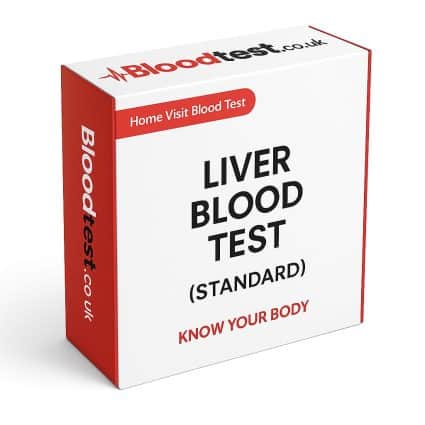
Essential Insights into Liver Blood Tests and Their Significance
What is a Liver Function Test and Why is it Important?
Private Liver Blood Test in Basingstoke: A liver function test is an essential blood analysis that evaluates the overall health of your liver by measuring the levels of various proteins, enzymes, and other substances produced by the liver itself. These tests prove indispensable in determining how effectively your liver is functioning and can help identify potential liver-related health concerns. Understanding these values can enlighten you about your liver health and guide necessary interventions.

The most prevalent liver function tests typically include measurements of:
- Alanine aminotransferase (ALT)
- Aspartate aminotransferase (AST)
- Alkaline phosphatase (ALP)
- Bilirubin
- Albumin
- Prothrombin time
- Gamma-glutamyl transferase (GGT)
- Lactate dehydrogenase (LDH)
A comprehensive understanding of these components is vital as they provide essential insights into various liver functions, including detoxification, metabolism, and protein synthesis. Regular monitoring through liver function tests is crucial, particularly for individuals at heightened risk of liver disease or those with pre-existing health conditions. Through awareness and testing, proactive measures can be taken to maintain liver health.
Why Regular Liver Blood Testing is Crucial for Maintaining Optimal Health
Regular liver blood tests hold immense importance for various reasons. Initially, they facilitate early detection of potentially severe liver diseases, significantly improving the chances of effective treatment outcomes. By identifying potential issues before they escalate, patients can collaborate effectively with their healthcare providers to implement timely and appropriate interventions. Key reasons for maintaining a routine testing schedule include:
- Monitoring the progression of existing liver diseases
- Evaluating the effectiveness of ongoing treatments
- Detecting liver damage caused by medication or lifestyle factors
- Identifying risk factors for liver disease at an early stage
Furthermore, regular testing can provide invaluable peace of mind for patients, ensuring that their liver health is being actively monitored. Many liver diseases develop silently, making consistent check-ups crucial for maintaining overall health and well-being.
How to Effectively Prepare for Your Liver Blood Test
Preparation for a liver blood test is essential to ensure accurate results, and in many cases, fasting for a specified period before the test is required. This typically involves abstaining from food and drink for at least 8 hours; however, some tests may have different requirements. It is also crucial to discuss any medications you are currently taking with your doctor, as certain drugs can affect liver enzyme levels. Consider these essential preparation tips for your test:
- Fast overnight before the test, unless otherwise directed
- Stay hydrated by drinking water unless instructed otherwise
- Inform your doctor about all medications and supplements you are taking
- Avoid alcohol and recreational drugs in the days leading up to the test
Being adequately prepared can lead to more accurate results, enabling healthcare providers to make informed, effective decisions about your liver health.
Where to Access Liver Blood Tests in Basingstoke
Local Hospitals Offering Liver Blood Testing Services
In Basingstoke, the primary facility for liver blood tests is the Basingstoke and North Hampshire Hospital. This hospital provides a comprehensive array of laboratory services, including liver function tests. To schedule an appointment, please contact the hospital directly. The contact details are as follows:
– Phone: 01256 473202
– Address: Basingstoke and North Hampshire Hospital, Aldermaston Road, Basingstoke, RG24 9NA
Booking your appointment in advance is advisable, especially if you require specific tests. The hospital staff are available to guide you through the process and ensure that you receive the necessary care for your liver health.
Exploring Private Clinics for Convenient Liver Health Testing
If you are seeking a more convenient option, several private clinics in Basingstoke provide liver blood tests with quicker turnaround times. These clinics often offer more flexible scheduling, which can be particularly advantageous for individuals with busy schedules. When considering a private clinic, keep the following factors in mind:
- Reputation and reviews from previous patients
- Availability of healthcare professionals with expertise in liver health
- Turnaround time for test results
- Cost and available payment options
Conducting thorough research on local private clinics can help you identify a suitable option that meets your needs and ensures accurate, timely testing.
Utilising Your GP Services for Comprehensive Liver Blood Testing
Your General Practitioner (GP) serves as a critical resource for managing liver health. If you have concerns about your liver function, your GP can refer you for a liver blood test or may conduct the test directly at the practice. Before the test, it is essential to discuss any symptoms you are experiencing, your medical history, and any medications you are currently taking. Key points to address with your GP include:
- Your reason for needing a liver test
- Any previous liver-related health issues
- Your lifestyle habits, including alcohol consumption and dietary choices
- Family history of liver diseases
This information can aid your GP in determining the most appropriate tests and follow-up care to support your liver health effectively.
Expert Guidance on Interpreting Liver Blood Tests in Basingstoke
How to Interpret Your Liver Blood Test Results Accurately
Interpreting liver blood test results can be complex, as they may reveal multiple aspects of liver function and health. Following your test, a healthcare provider will explain the results to you, highlighting any abnormalities and discussing whether further testing is necessary. For instance, elevated ALT and AST levels may suggest liver inflammation, while high bilirubin levels could indicate a blockage in bile flow. Real-world interpretations can vary significantly, and understanding your specific results is essential for proactive health management.
If your results indicate elevated liver enzymes, your doctor may recommend additional tests, such as imaging studies or a liver biopsy, to explore the underlying cause more thoroughly. Engaging in an open dialogue with your healthcare provider about your results can help demystify the process and clarify the next steps for your health journey.
When Should You Seek Further Medical Advice Regarding Liver Health?
If your liver blood test results reveal abnormalities, it is crucial to consult a specialist, such as a hepatologist, for further evaluation. This may involve follow-up tests or additional imaging to explore the cause of the irregularities. Some actionable steps to consider include:
- Schedule a follow-up appointment with your healthcare provider
- Request a referral to a liver specialist if deemed necessary
- Prepare a list of questions to address during your consultation
- Document any symptoms you experience after the initial tests
Timely follow-up is vital in preventing serious health issues and ensuring that any liver conditions are appropriately managed.
The Impact of Diet and Lifestyle Choices on Liver Health
Diet and lifestyle significantly affect liver health. Following a balanced diet rich in fruits, vegetables, whole grains, and lean proteins can support liver function. Regular physical activity is critical to maintaining a healthy weight, which is vital for liver health. An expert analysis of dietary changes after a liver blood test may include recommendations such as:
- Incorporating more antioxidant-rich foods like berries and leafy greens
- Limiting saturated fats and sugar intake
- Avoiding processed foods and excessive alcohol consumption
- Staying well-hydrated to promote overall bodily function
Implementing these lifestyle changes can improve liver function and enhance overall wellness, particularly for individuals diagnosed with liver conditions. Making informed lifestyle choices directly contributes to maintaining and improving liver health.
Identifying Common Liver Conditions Through Blood Testing
Liver blood tests can assist in diagnosing various liver conditions, including hepatitis, cirrhosis, and fatty liver disease. Each of these conditions presents unique challenges and management strategies. For example, hepatitis may be viral or autoimmune in nature and often requires specific antiviral treatments.
Cirrhosis, frequently resulting from chronic liver damage, can lead to serious complications; hence, regular monitoring through liver blood tests is essential for managing this condition effectively. Fatty liver disease, conversely, is often linked to obesity and lifestyle factors, making dietary and lifestyle changes critical for effective management. Understanding these conditions and the role of testing is vital for achieving effective treatment and improving patient outcomes.
What Are the Symptoms of Liver Disease That You Should Recognise?
Common Signs of Liver Disease to Monitor Closely
Recognising the symptoms of liver disease early enables timely medical intervention, which is crucial for effective treatment. Common signs to monitor include jaundice (yellowing of the skin and eyes), abdominal pain (typically in the right upper quadrant), and fatigue, which can be persistent and debilitating. Early warning signs of liver disease may also encompass:
- Unexplained weight loss
- Dark urine or pale stools
- Itchy skin
- Loss of appetite
Staying alert to these symptoms is essential, as early recognition can prompt necessary investigations and interventions that may prevent the progression of liver disease.
When Should Symptoms Prompt Immediate Medical Attention?
Certain severe symptoms may indicate a more serious issue and warrant immediate medical attention. These include sudden weight loss, confusion, and intense abdominal pain. It is vital not to ignore these signs, as they can be indicative of acute liver failure or other critical conditions. Common emergency symptoms to be aware of include:
- Severe vomiting or vomiting blood
- Extreme fatigue that interferes with daily activities
- Confusion or difficulty concentrating
- Swelling in the abdomen or legs
If you experience any of these symptoms, seeking emergency medical care is crucial to ensure prompt evaluation and treatment, potentially safeguarding your health.
Why Regular Check-ups Are Essential for Maintaining Liver Health
Even in the absence of symptoms, regular check-ups can help detect liver disease early. Routine monitoring is particularly important for individuals with risk factors such as a family history of liver disease, obesity, or high alcohol consumption. Guidelines recommend that adults consider liver health check-ups at least once every one to two years, depending on their individual risk factors and medical history. Regular consultations can significantly improve treatment outcomes and provide reassurance regarding one’s liver health.
How Does a Liver Blood Test Work in Practice?
The Procedure for Drawing Blood for Liver Testing
The process of drawing blood for a liver function test is typically straightforward and minimally invasive. A healthcare professional will use a needle to extract blood from a vein, usually located in your arm. While this may cause slight discomfort, the procedure is quick and relatively painless. Patients can expect the following experiences during the blood draw:
- Minimal discomfort from the needle insertion
- Immediate cessation of any pain after the needle is removed
- Potential for minor bruising at the injection site
- The duration of the entire process is generally under 10 minutes
Knowing what to expect can help alleviate anxiety about the blood draw, making the experience smoother and more comfortable for patients. Understanding the process can empower patients to approach their tests with confidence.
Analysing Liver Enzymes and Proteins in Your Blood for Health Insights
Once blood is drawn, it is sent to a laboratory for thorough analysis. The lab will test your blood for liver enzyme and protein levels, which can indicate your liver’s overall health. Different tests target specific aspects of liver function. For instance, ALT and AST are enzymes that reflect liver cell injury, while bilirubin levels indicate how effectively the liver processes waste. Understanding these analyses is crucial for interpreting liver health.
Other proteins, such as albumin, provide insight into liver function and overall health. The laboratory will compile these results, and your healthcare provider will interpret them to assess your liver condition and determine whether additional tests or interventions are necessary. This collaborative approach ensures you remain informed and engaged in your health management.
Receiving and Understanding Your Liver Blood Test Results in Detail
Once the lab has completed the analysis, your liver blood test results will be forwarded to your healthcare provider. They will discuss the findings with you and explain what each result means for your overall health. Understanding these results is crucial because they help you manage your health effectively. Ensuring clear communication about your findings can enhance your comprehension and involvement in your health journey.
Typically, results are available within a few days to a week, depending on the laboratory’s efficiency and workload. If abnormalities are detected, your healthcare provider may recommend additional testing or lifestyle modifications to enhance liver health. Engaging in an open dialogue about your results can enhance your understanding and empower you to make informed decisions regarding your health.
Research-Backed Advantages of Liver Blood Tests in Basingstoke
The Significance of Early Detection of Liver Diseases for Better Outcomes
One of the most significant benefits of liver blood tests is their ability to detect liver diseases, such as hepatitis or cirrhosis, in their early stages. Early detection can lead to more effective treatment strategies and improved health outcomes. For example, patients diagnosed with hepatitis at an early stage can often be treated with antiviral medications, leading to substantial improvements in liver health. Real-world examples illustrate that timely intervention can significantly reduce the risk of severe complications, including liver failure or cancer.
In Basingstoke, local healthcare providers emphasise the importance of regular testing, particularly for individuals with known risk factors. Proactive monitoring of liver health is crucial for preventing disease progression and promoting overall well-being.
Continuous Monitoring of Liver Health Over Time to Ensure Well-being
Regular liver blood tests enable healthcare providers to monitor liver health over time, which is particularly crucial for individuals with chronic conditions or those undergoing treatment. For instance, patients with fatty liver disease may require periodic testing to evaluate the effectiveness of lifestyle modifications or medications. Actionable steps for effectively monitoring liver health include:
- Scheduling routine liver blood tests as advised by your healthcare provider
- Maintaining a record of your test results for future reference
- Discussing any changes in symptoms or overall health with your provider
- Adjusting lifestyle choices based on trends observed in liver function tests
Such monitoring ensures that any changes in liver health are detected promptly, allowing for timely interventions and ongoing management of the condition. Staying informed about your liver health is vital for proactive healthcare.
Evaluating the Effectiveness of Treatments Through Liver Blood Testing
In addition to diagnosing liver conditions, liver blood tests are crucial for assessing treatment effectiveness. For instance, if a patient is undergoing treatment for hepatitis, monitoring liver enzyme levels can indicate treatment effectiveness. If test results show a decrease in liver enzyme levels, it suggests the treatment is effective. Conversely, if levels remain elevated, adjustments to the treatment plan may be necessary.
Expert analysis of treatment responses based on liver blood test results can significantly enhance patient outcomes. Regular communication with healthcare providers about these results is essential to ensure patients receive the most effective care tailored to their individual needs, fostering a collaborative approach to health management.
What Are the Risk Factors for Developing Liver Disease That You Should Know?
Lifestyle Factors Impacting Liver Health Significantly
Lifestyle choices significantly influence liver health. Factors such as excessive alcohol consumption, a poor diet, and lack of exercise can all increase the risk of liver disease. Making healthier choices can markedly reduce this risk. For example, individuals who consume alcohol excessively may develop conditions like fatty liver disease or alcoholic hepatitis. To lower your risk, consider these beneficial lifestyle changes:
- Adopting a balanced diet rich in whole foods and nutrients
- Engaging in regular physical activity to maintain a healthy weight
- Avoiding excessive alcohol consumption
- Staying adequately hydrated to support liver function
Taking control of your lifestyle can improve liver health and reduce the risk of related diseases. Empowering yourself with knowledge about liver health is essential for long-term wellness.
Medical Conditions That Heighten Liver Disease Risk: Understanding the Connection
Certain medical conditions can increase susceptibility to liver disease. For instance, individuals with diabetes or obesity are at a higher risk of developing fatty liver disease and other liver complications. Effectively managing these conditions is essential for protecting liver health. Understanding how medical conditions affect liver health is crucial, particularly for individuals at higher risk.
Regular monitoring and proactive management of conditions such as diabetes, high blood pressure, and obesity can help mitigate these risks. Collaborating with healthcare providers to develop a comprehensive management plan can improve overall health and reduce the risk of liver disease. Being proactive about your health can lead to better outcomes.
Genetic and Environmental Influences on Liver Disease Risk: What You Should Know
Genetics and environmental exposures significantly influence the risk of developing liver disease. Certain genetic predispositions can increase susceptibility to liver conditions, while environmental factors, such as exposure to toxins or chemicals, can further exacerbate this risk. Understanding your family history is crucial for identifying potential risks to your liver health.
Genetic tests are available to identify individuals at higher risk of liver diseases, providing valuable insights for preventive measures. Recognising these genetic and environmental factors is crucial for implementing effective strategies to prevent liver health issues and safeguard your wellness.
The Role of Vaccinations in Preventing Liver Disease: Staying Protected
Vaccinations are a crucial component of liver disease prevention, particularly for viral infections such as hepatitis A and B. Staying up to date with vaccinations is essential for individuals at risk. For instance, hepatitis B vaccination is recommended for healthcare workers and individuals engaging in high-risk behaviours.
Additionally, the hepatitis A vaccine is advised for travellers to specific regions. Being proactive about vaccinations can significantly reduce the risk of liver disease and is essential to maintaining overall liver health. Awareness of vaccination schedules and recommendations can empower individuals to protect their liver health.
Effective Strategies for Liver Blood Testing in Basingstoke
How to Choose the Right Healthcare Provider for Your Liver Health Needs
Selecting a trusted healthcare provider in Basingstoke is vital for obtaining accurate liver blood tests and ensuring effective follow-up care. Look for providers with a solid reputation and experience in liver health. Key considerations when choosing a provider include:
- Checking online reviews and testimonials from previous patients
- Confirming the provider’s qualifications and specialisation in liver health
- Inquiring about their approach to liver disease management
- Evaluating their communication style and willingness to address your concerns
Choosing the right provider can enhance your healthcare experience, ensuring you receive personalised, effective care tailored to your liver health needs. Your health is a priority, and finding the right partner in your care is essential.
What to Do if Your Results are Abnormal: Taking Action
If your liver blood test results are abnormal, it is essential to follow up proactively. This may involve additional tests, consultations, or lifestyle changes to address the underlying issues. Key steps to take include:
- Contacting your healthcare provider for a follow-up appointment
- Discussing your concerns and symptoms in detail
- Asking about potential next steps and treatment options
- Keeping a detailed record of any changes in your health
Timely action in response to abnormal results can significantly prevent complications and improve overall health outcomes. Being informed and involved in your health journey is essential for success.
How to Maintain Liver Health After Your Blood Test: Continuing Care
Following your liver blood test, maintaining a healthy lifestyle is crucial for supporting liver health. This includes implementing beneficial dietary changes, engaging in regular physical activity, and avoiding harmful substances. An expert analysis of long-term liver health maintenance may involve:
- Incorporating liver-friendly foods like leafy greens and lean proteins into your diet
- Staying physically active to promote metabolic health
- Limiting alcohol intake and avoiding recreational drugs
- Regularly monitoring liver health through follow-up tests
These strategies can help ensure optimal liver function and promote overall well-being. Taking an active role in your health can lead to better outcomes and enhanced quality of life.
Understanding Key Parameters in Liver Blood Tests: Empowering Yourself with Knowledge
Familiarising yourself with the key components measured in liver blood tests is vital for accurately interpreting your results. Important parameters include ALT, AST, bilirubin, and albumin. Understanding what these measurements indicate can empower you to engage in informed discussions with your healthcare provider.
For instance, elevated levels of ALT and AST may suggest liver cell injury, while bilirubin levels indicate the liver’s capacity to process waste products. By understanding these parameters, you can interpret your results more effectively and understand their implications for your liver health. Empowering yourself with knowledge is a key aspect of managing your health.
Frequently Asked Questions About Liver Blood Testing
What is the purpose of a liver blood test?
A liver blood test measures enzymes and substances in the blood to assess liver health and function. It helps detect liver diseases and effectively monitor existing conditions.
How often should I undergo a liver blood test?
The frequency of liver blood tests depends on individual risk factors and medical history. Generally, regular testing every one to two years is recommended for individuals at risk.
Can I eat before undergoing a liver blood test?
In most cases, fasting for at least 8 hours before the test is recommended to ensure accurate results. Always confirm specific instructions with your healthcare provider.
What do elevated liver enzymes typically indicate?
Elevated liver enzymes usually indicate liver inflammation or damage. They may suggest conditions such as hepatitis, fatty liver disease, or alcohol-related liver injury.
How long does it usually take to receive liver blood test results?
Liver blood test results are typically available within a few days to a week, depending on the laboratory’s processing time and turnaround.
What lifestyle changes can I implement to improve liver health?
To enhance liver health, consider adopting a balanced diet, engaging in regular physical activity, limiting excessive alcohol consumption, and maintaining a healthy body weight.
What actions should I take if my liver test results are abnormal?
If your liver test results are abnormal, consult your healthcare provider for further evaluation and potential follow-up tests or lifestyle modifications.
What symptoms should I be aware of regarding liver disease?
Symptoms of liver disease may include jaundice, abdominal pain, fatigue, dark urine, and unexplained weight loss. Early recognition is crucial for effective intervention.
Are liver blood tests considered safe?
Yes, liver blood tests are generally safe and involve a simple blood draw. While some minor discomfort may occur, serious complications are rare.
Can medications influence liver blood test results?
Yes, certain medications can affect liver enzyme levels and influence test results. Always inform your healthcare provider about any medications you are taking before the test.


I’ve been really intrigued by the concept of liver function tests ever since my doctor suggested I get one a little while back. It’s fascinating to think about how much we can learn about our overall health just through a simple blood test. The liver plays such a crucial role in our bodies – from detoxifying harmful substances to producing proteins essential for blood clotting. Yet, it’s so easy to overlook its significance in our day-to-day health discussions.