Recognising Hypothyroidism in Men: Uncovering the Hidden Health Risks
Hypothyroidism in men is a significant medical condition characterised by the inadequate production of crucial thyroid hormones by the thyroid gland, located at the front of the neck. The primary hormones involved are thyroxine (T4) and triiodothyronine (T3), both essential for regulating numerous bodily functions, including metabolism, energy levels, and general health. While hypothyroidism can affect anyone, men may experience specific symptoms and challenges that can greatly diminish their quality of life, making early detection and intervention critical.

Recognising the subtleties of this condition is paramount for effective management and treatment. Men often overlook the signs of hypothyroidism because they can be subtle and easily misattributed to stress, lifestyle changes, or the natural aging process. This common misinterpretation may lead to prolonged discomfort, complications, and a significant decline in health if the condition remains untreated.
The causes of hypothyroidism vary widely, ranging from autoimmune disorders like Hashimoto’s thyroiditis to certain medications or radiation treatments. Early recognition of symptoms is vital for timely intervention, which can help ensure better health outcomes and overall well-being.
Key Insights into Hypothyroidism in Men
- Hypothyroidism in men signifies insufficient production of thyroid hormones by the thyroid gland, triggering a broad range of physical and psychological health challenges.
- Physical manifestations of hypothyroidism can include fatigue, unexplained weight gain, thinning hair, and muscle weakness. Furthermore, health risks encompass elevated cholesterol levels, an increased likelihood of heart disease, and the potential onset of diabetes.
- The emotional and mental repercussions of hypothyroidism in men can present as depression, anxiety, and cognitive difficulties, significantly influencing overall quality of life.
- This condition can also have a considerable impact on sexual health, leading to decreased libido, erectile dysfunction, and fertility challenges.
- Men with hypothyroidism frequently encounter obstacles in weight management, as the condition can slow metabolism, complicating efforts to lose weight and necessitating a tailored approach to diet and exercise.
Examining the Physical Symptoms and Health Implications of Hypothyroidism
The physical symptoms associated with hypothyroidism can be diverse and often differ from one individual to another. Commonly reported symptoms include persistent fatigue, unexplained weight gain, increased sensitivity to cold, and general muscle weakness. You might feel exhausted even after a full night’s sleep or struggle to lose weight despite adhering to a nutritious diet and exercise regime.
These frustrating symptoms can lead to self-doubt regarding lifestyle choices or fitness efforts. Moreover, hypothyroidism can manifest in less obvious ways, such as notable changes in skin texture, including dryness or pallor, alongside increased hair loss or thinning.
Additionally, you may experience a lower heart rate, which can contribute to lethargy and decreased stamina during physical activity. The cumulative effect of these physical symptoms can significantly impact your daily life and overall functionality. Therefore, seeking medical guidance is paramount if you suspect that hypothyroidism may be affecting your health.
Examining the Mental and Emotional Consequences of Hypothyroidism
The mental and emotional ramifications of hypothyroidism are often understated and require significant attention. As thyroid hormone levels decline, you might experience mood fluctuations, heightened feelings of depression, or increased anxiety. These emotional shifts can lead to irritability and fatigue, straining personal relationships and detracting from overall well-being.
Research has documented the intricate relationship between thyroid function and mental health, making it essential to understand this connection for effective condition management. Cognitive performance may also suffer due to hypothyroidism, leading to experiences of “brain fog.” You may find it difficult to concentrate, forget simple tasks, or feel mentally sluggish in environments where mental clarity is essential for success.
Recognising these cognitive and emotional symptoms as integral components of hypothyroidism is vital for advocating for appropriate medical support. For additional insights on the correlation between hypothyroidism and mental health, consider visiting the Mayo Clinic website.
Assessing the Impact of Hypothyroidism on Sexual Health in Men
Hypothyroidism can significantly affect sexual health in men, presenting a range of challenges. Suboptimal levels of thyroid hormones can lead to diminished libido, erectile dysfunction, and even infertility. You may notice a decline in your interest in sexual activity or experience difficulties in achieving or maintaining an erection.
These sexual health issues can be distressing and may foster feelings of inadequacy, frustration, or anxiety within intimate relationships. Additionally, the hormonal imbalances associated with hypothyroidism can further disrupt testosterone levels, complicating the already challenging landscape of sexual health. Low testosterone levels can lead to increased fatigue, mood alterations, and diminished sexual desire, creating a cyclical pattern that can be difficult to overcome.
It is crucial to address these sexual health concerns with your healthcare provider to explore effective treatment options aimed at restoring both thyroid function and sexual health.
Navigating Weight Management Challenges Linked to Hypothyroidism
Managing weight can become particularly challenging for men with hypothyroidism. A slowed metabolism, often linked to low thyroid hormone levels, can hinder your ability to lose or maintain a healthy weight. Even with regular exercise and a balanced diet, you might find that shedding excess pounds feels overwhelmingly complex and frustrating.
This ongoing struggle can lead to feelings of hopelessness and discouragement. Understanding the correlation between hypothyroidism and weight gain is crucial for developing effective weight management strategies. Collaborating with a healthcare provider can help you create a personalised plan that addresses your thyroid health and weight-management goals.
This collaborative approach may involve adjusting medications, implementing dietary modifications, or incorporating specific exercises to enhance metabolism while taking your energy levels into account.
Understanding the Connection Between Hypothyroidism and Cardiovascular Health
The relationship between hypothyroidism and cardiovascular health is a significant concern for men diagnosed with this condition. Insufficient thyroid hormone levels can lead to elevated cholesterol levels, which may increase the risk of developing heart disease over time. It is essential to recognise that the fatigue and lethargy associated with hypothyroidism may not solely be symptoms of the condition; they could also indicate underlying cardiovascular issues.
Regular cardiovascular health assessments are critical for individuals with hypothyroidism. Your healthcare provider may recommend lifestyle changes, such as adopting a heart-healthy diet abundant in fruits, vegetables, whole grains, and lean proteins. Additionally, engaging in regular physical activity that aligns with your energy levels can improve thyroid function and cardiovascular well-being. By proactively managing your thyroid condition alongside cardiovascular health, you can significantly reduce the risk of further complications.
Assessing the Relationship Between Hypothyroidism and Male Fertility
Fertility challenges are another crucial aspect associated with hypothyroidism in men. Low thyroid hormone levels can disrupt the delicate hormonal balance necessary for sperm production and overall reproductive health. If you are experiencing difficulties conceiving, it is essential to consider how your thyroid function may influence your fertility journey.
Effectively addressing hypothyroidism through appropriate treatment can not only improve overall health but also enhance the chances of conception. Collaborating with a healthcare provider knowledgeable about the intricate relationship between thyroid function and fertility is essential for establishing a comprehensive plan that addresses both concerns. This may involve regular blood tests to monitor hormone levels and adjusting medications to optimise reproductive health.
Effective Strategies for Managing and Treating Hypothyroidism in Men
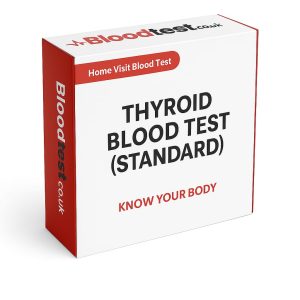
Successfully managing hypothyroidism requires a multifaceted approach that incorporates regular monitoring through blood tests, medication management, lifestyle modifications, and open communication with healthcare providers. Blood tests play a crucial role in diagnosing hypothyroidism, as they measure key markers such as Thyroid-Stimulating Hormone (TSH) and T4 levels. Elevated TSH levels typically indicate an underactive thyroid, while low T4 levels help confirm the diagnosis.
Once diagnosed, treatment generally involves hormone replacement therapy with synthetic thyroid hormones, such as levothyroxine. This medication restores normal hormone levels, alleviating many symptoms associated with hypothyroidism. Consistent follow-up appointments are crucial for monitoring your treatment response and making necessary adjustments based on blood test results.
In addition to medication, lifestyle changes—such as maintaining a nutrient-rich diet that supports thyroid health, including iodine, selenium, and zinc—are beneficial. Regular exercise tailored to your energy levels can also effectively manage symptoms while enhancing overall well-being. By actively participating in your health management through education, collaboration with healthcare providers, and lifestyle adjustments, you can lead a fulfilling life despite the challenges posed by hypothyroidism.
Common Questions Regarding Hypothyroidism in Men
What does hypothyroidism in men entail?
Hypothyroidism in men refers to a condition where the thyroid gland fails to produce sufficient thyroid hormones, resulting in a metabolic slowdown and various health issues.
What symptoms are indicative of hypothyroidism in men?
Common symptoms of hypothyroidism in men encompass fatigue, weight gain, cold sensitivity, dry skin, constipation, muscle weakness, and feelings of depression.
How is hypothyroidism diagnosed in men?
Diagnosis of hypothyroidism in men is made through blood tests that measure thyroid-stimulating hormone (TSH) and thyroxine (T4) levels.
What factors contribute to hypothyroidism in men?
The primary cause of hypothyroidism in men is often an autoimmune condition known as Hashimoto’s thyroiditis. Other contributing factors include thyroid surgery, radiation therapy, and certain medications.
What treatment options are available for men with hypothyroidism?
Men with hypothyroidism typically receive treatment through synthetic thyroid hormone medication, like levothyroxine, to replace missing hormones and restore normal thyroid function.
Can hypothyroidism lead to additional health complications in men?
If left untreated, hypothyroidism in men can result in complications such as heart disease, fertility issues, and mental health challenges. It is vital to seek appropriate treatment to mitigate these risks.