

Your Comprehensive Resource for Blood Alcohol Level Testing: Explore Key Processes and Insights
Diving Deep into Blood Alcohol Level Testing and Its Significance
Important Distinction:
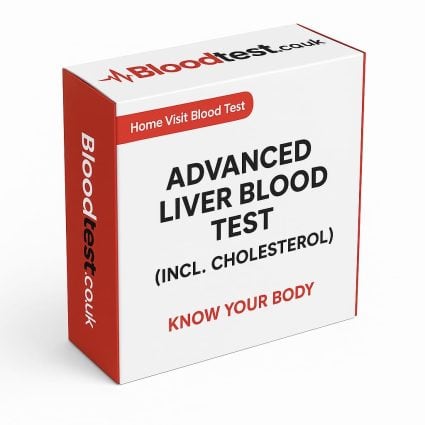
While blood alcohol tests measure immediate intoxication, our Liver Blood Test reveals the long-term impact of alcohol on your liver health.
Blood alcohol level testing quantifies the amount of alcohol in a person’s bloodstream, typically expressed as a percentage referred to as Blood Alcohol Concentration (BAC). The primary objective of this testing is to assess an individual’s level of intoxication, which is vital in many situations such as driving, workplace safety evaluations, and medical emergencies. Understanding one’s BAC is crucial, as it directly correlates with impairment levels, significantly increasing the risks associated with operating vehicles or machinery.

The significance of blood alcohol level testing extends beyond personal awareness. Law enforcement agencies employ these tests to uphold DUI (Driving Under the Influence) laws, ensuring public safety on roads. Despite the variations in testing methods, the fundamental objective remains to accurately reflect an individual’s alcohol consumption and its physiological effects. This information is crucial not only for legal proceedings but also for promoting responsible drinking behaviours and assisting individuals in understanding their personal limits.
A Detailed Step-by-Step Overview of Blood Alcohol Level Testing Procedures
The process of conducting blood alcohol level testing is generally straightforward, although it can differ by technique. The most commonly used methods include breathalysers, blood tests, and urine tests, each tailored for specific contexts and purposes.
1. Breathalyser Testing: This method utilises a handheld device that measures the alcohol concentration in a person’s breath. When an individual exhales into the device, it analyses the air for ethanol content. This method is preferred for its quick results and non-invasive nature, making it particularly valuable during roadside checks.
2. Blood Testing: This method is more invasive and necessitates a healthcare professional to draw blood from the individual. The collected sample is subsequently analysed in a laboratory setting. While blood tests are often seen as the most accurate for measuring BAC, they require more time to process compared to breath tests. They are commonly employed in legal contexts where precise measurements are paramount.
3. Urine Testing: Although less common for immediate BAC assessments, urine tests can still detect alcohol levels and may be used in conjunction with other methods. A urine sample is collected and analysed for alcohol content, allowing for a broader timeframe in evaluating alcohol consumption; however, it is less reliable for real-time impairment assessments.
Regardless of the selected method, the accuracy and reliability of the results depend on strict adherence to proper procedures, device calibration, and the timing of the test in relation to alcohol consumption.
The Crucial Importance of Accuracy and Reliability in Blood Alcohol Level Testing
The accuracy and reliability of blood alcohol level testing are paramount, especially in legal circumstances where impaired driving can lead to severe repercussions. Several factors can influence the precision of BAC readings:
1. Testing Methodology: Different testing methodologies exhibit varying levels of precision. For instance, breathalysers can be influenced by environmental factors like temperature and humidity, potentially leading to inaccurate readings. Although blood tests are generally more reliable, they too can be affected by the time that elapses between alcohol consumption and testing.
2. Device Calibration: Regular maintenance and calibration of testing devices are essential for ensuring accuracy. Law enforcement agencies must adhere to strict protocols to maintain the reliability of breathalysers. A poorly calibrated device might yield false positives or negatives, significantly impacting legal outcomes.
3. Human Factors: Individual physiological differences can also affect BAC results. Factors such as body weight, metabolism, age, and gender influence how alcohol is processed in the body. For example, two individuals consuming identical amounts of alcohol may demonstrate differing BAC levels due to their unique body compositions.
Understanding these factors is vital for accurately interpreting blood alcohol level test results. Legal professionals, law enforcement, and individuals must recognise the variability and contextual relevance when assessing BAC levels.
Essential Insights into Global Blood Alcohol Concentration (BAC) Limits
Legal BAC limits vary significantly across the globe, reflecting diverse cultural attitudes towards alcohol consumption and public safety regulations. In many countries, the standard legal driving limit is established at 0.08% BAC, indicating that an individual has 0.08 grams of alcohol per decilitre of blood. This limit is commonly enforced in nations such as the United States, Canada, and Australia, where stringent enforcement aims to reduce alcohol-related accidents.
Conversely, some countries adopt a zero-tolerance policy, imposing a legal BAC limit of 0.00%. Nations like Saudi Arabia and the United Arab Emirates enforce this strict regulation, reflecting their cultural and religious perspectives on alcohol consumption. Various regions in Europe apply differing limits, often dependent on the driver’s experience. For instance, many countries enforce lower BAC thresholds for novice drivers or individuals under the legal drinking age.
Understanding these legal limits is crucial for travellers and expatriates, as crossing international borders can lead to confusion regarding acceptable BAC levels. Familiarising oneself with local laws can help prevent legal issues and promote responsible drinking practices.
Understanding BAC Limits for Different Activities
In addition to driving regulations, specific BAC limits are established for various activities, particularly those involving safety-sensitive roles or responsibilities. Operating heavy machinery, public transport, and aviation typically demand stricter BAC limits than those in standard driving laws. In many jurisdictions, professionals in these sectors are expected to maintain a BAC of 0.00% while performing their duties to ensure safety and comply with industry standards.
In the workplace, employers may implement their own alcohol policies dictating acceptable BAC levels for employees. Industries such as construction and manufacturing may enforce rigorous testing protocols to minimise the risk of accidents caused by impairment. Employees in these fields may be subject to random BAC testing, reinforcing a commitment to safety.
Awareness of these varying BAC limits is essential for individuals to navigate both legal responsibilities and workplace expectations effectively. Understanding the implications of exceeding these limits fosters a culture of safety and accountability in both public and professional environments.
The Serious Consequences of Surpassing BAC Limits
Exceeding legal BAC limits can lead to severe legal and health consequences. Legal repercussions often include fines, license suspension, and potential imprisonment, depending on the severity of the offence and any resultant harm to others. For instance, individuals caught driving with a BAC exceeding the legal limit may face DUI charges, which can have lasting effects on their criminal records and insurance costs.
Beyond the legal implications, elevated BAC levels pose significant health risks. Acute alcohol intoxication can impair judgment, lead to loss of coordination, and increase the likelihood of accidents. Chronic excessive drinking can result in long-term health complications, including liver disease, cardiovascular issues, and mental health disorders. Recognising these consequences underscores the importance of monitoring BAC levels, especially in situations where safety is paramount.
Furthermore, the social stigma associated with exceeding BAC limits can negatively affect personal relationships and professional reputations. Acknowledging the broader implications of high BAC levels can motivate individuals to adopt responsible drinking habits and prioritise safety in their decisions.
Innovations Revolutionising Blood Alcohol Level Testing Devices and Technologies
Exploring the Diverse Types and Functions of Breathalysers
Breathalysers are arguably the most recognised instruments for measuring blood alcohol levels, primarily due to their convenience and rapid results. These devices analyse breath samples to determine alcohol concentration. Various types of breathalysers are available, each serving distinct functions and applications.
1. Passive Breathalysers: These devices do not require the individual to blow directly into them; instead, they measure the air surrounding a person. They are useful for preliminary assessments, such as those carried out during roadside checks. Although they provide immediate feedback, their accuracy may be lower than that of more advanced models.
2. Portable Breathalysers: Commonly used by law enforcement, these handheld devices balance portability and accuracy. Officers employ them during traffic stops to quickly assess a driver’s BAC. They yield immediate results, which can be critical for making on-the-spot decisions regarding arrests or further testing.
3. Laboratory-grade Breathalysers: Designed for use in controlled environments like police stations or hospitals, these devices prioritise precision. They require regular calibration and maintenance to ensure accurate readings and are often used for evidential purposes in legal matters.
Each type of breathalyser plays an essential role in the broader landscape of blood alcohol level testing, contributing to public safety initiatives and encouraging responsible alcohol consumption.
Evaluating Alcohol Levels Through Blood Tests: The Gold Standard
Blood tests are considered the gold standard for accurately measuring blood alcohol levels, providing a precise evaluation of an individual’s BAC. The testing process involves several steps, beginning with a trained professional drawing blood from the individual’s arm vein.
Once the blood sample is collected, it is dispatched to a laboratory for analysis. Technicians employ various methods to quantify the alcohol concentration in the sample, yielding accurate BAC results. This method is particularly valuable in legal contexts where precision is crucial, as it can confirm or challenge results from breath tests.
One significant advantage of blood tests is their capability to detect higher levels of alcohol consumption over extended periods. Unlike breath tests, which may exhibit fluctuations in BAC due to recent alcohol intake, blood tests provide a clear snapshot of alcohol levels at the time of sample collection. This information is vital in legal proceedings, especially in cases involving serious accidents or fatalities.
However, it is important to acknowledge that blood tests also have limitations. The timing of alcohol consumption testing can affect results, and delays in processing may lead to outdated readings. Despite these challenges, blood tests remain a cornerstone of blood alcohol level testing, particularly in high-stakes scenarios.
The Future of BAC Testing: Unveiling Emerging Technologies
The domain of blood alcohol level testing is rapidly evolving, driven by technological advancements that enhance accuracy, efficiency, and accessibility. Emerging technologies are reshaping the approach to BAC testing, with several noteworthy innovations on the horizon.
1. Smartphone Integration: Many new BAC testing devices are being designed for connectivity with smartphones, enabling users to track their alcohol consumption and BAC levels conveniently. These devices often provide real-time feedback, assisting users in making informed decisions regarding drinking and driving.
2. Transdermal Testing: This innovative method measures alcohol levels through the skin. Devices equipped with transdermal sensors can continuously monitor a person’s BAC by detecting alcohol in sweat. This technology holds promise for both personal monitoring and law enforcement, offering a non-invasive means to evaluate alcohol levels over extended durations.
3. Biometric Sensors: As wearable technology gains popularity, biometric sensors that monitor BAC levels are becoming more prominent. These devices can provide continuous tracking and alert users when their drinking exceeds safe thresholds. This technology has the potential to revolutionise personal alcohol consumption management, promoting safer behaviours.
The future of blood alcohol level testing appears promising, with emerging technologies poised to enhance accuracy, improve user experience, and support public safety initiatives. As these innovations continue to develop, they will likely play a crucial role in shaping responsible drinking habits and reducing alcohol-related incidents.
Real-World Applications of Blood Alcohol Level Testing
The Critical Role of BAC Testing in Law Enforcement
Blood alcohol level testing is an integral component of law enforcement, particularly in enforcing DUI (Driving Under the Influence) and DWI (Driving While Intoxicated) laws. Officers receive training to identify signs of impaired driving and utilise BAC testing as a tool to assess a driver’s level of intoxication during traffic stops.
When a driver is suspected of being under the influence, law enforcement typically administers a series of field sobriety tests to evaluate their coordination and cognitive abilities. If a driver fails these assessments or demonstrates signs of impairment, officers generally conduct a breathalyser test to measure BAC levels. The results of this test can lead to immediate legal consequences, including arrest and DUI charges.
In addition to roadside checks, BAC testing is also employed in accident investigations. When an accident occurs and alcohol consumption is suspected, law enforcement may perform BAC testing on involved parties to establish liability and potential criminal charges. This testing is vital for establishing the facts and ensuring appropriate legal actions are taken.
Moreover, data gathered from BAC testing can inform public safety initiatives and campaigns aimed at reducing alcohol-related accidents. By analysing trends and patterns in BAC levels among offenders, law enforcement agencies can develop targeted educational programmes to promote responsible drinking and safer driving practices.
Establishing Robust Workplace Alcohol Testing Policies
The implementation of blood alcohol level testing policies in the workplace is becoming increasingly prevalent, especially in industries where safety is critical. Many employers recognise the importance of maintaining a secure working environment and have established alcohol testing protocols to mitigate the risks associated with impaired employees.
Typically, workplace alcohol testing policies may include pre-employment screening, random testing, and post-incident testing. Pre-employment screening ensures that new hires meet company standards regarding alcohol consumption, while random testing serves to deter potential substance abuse. Post-incident testing is crucial for determining whether alcohol was a contributing factor in workplace accidents.
The implications of these policies extend beyond safety concerns. A clearly defined alcohol testing policy can foster a culture of accountability and responsibility among employees. It conveys to staff that the organisation prioritises safety and employee well-being, which can enhance overall morale and productivity.
However, employers must balance safety measures with employee privacy rights. Transparent communication regarding testing procedures and potential outcomes is essential for maintaining trust and cultivating an open work environment.
Encouraging Responsible Drinking Through Personal BAC Testing
Increasingly, individuals are turning to blood alcohol level testing devices for personal monitoring, which promotes responsible drinking habits. With the availability of portable breathalysers and smartphone-connected devices, tracking BAC levels has become more accessible and user-friendly.
For sociable individuals, personal BAC testing provides valuable insights into their drinking patterns. By consistently monitoring their BAC levels, users can make informed decisions about their alcohol consumption, ensuring they remain within safe limits and avoid dangerous behaviours such as driving under the influence.
These personal testing devices also encourage accountability among friends and social groups. For instance, group outings can incorporate BAC testing as an engaging, responsible activity to promote safe drinking practices. By normalising BAC checks, individuals can support one another in making safe and responsible choices.
Additionally, personal BAC testing can significantly impact overall health and wellness. By understanding their alcohol tolerance and its effects on their bodies, users can develop healthier drinking habits, minimise the risk of alcohol-related health issues, and promote a culture of safety within their social circles.
Decoding Blood Alcohol Level Test Results Effectively
How to Accurately Interpret BAC Test Results
Interpreting blood alcohol level test results is essential for understanding an individual’s level of intoxication and the associated ramifications. BAC results are typically expressed as a percentage, indicating the grams of alcohol per decilitre of blood. For example, a BAC of 0.08% signifies that there are 0.08 grams of alcohol per decilitre of blood.
Grasping the legal implications of these results is crucial. In many jurisdictions, a BAC of 0.08% serves as the threshold for legal intoxication while driving. However, even lower BAC levels can impair judgment and coordination, heightening the risk of accidents. Research indicates that impairment can commence at BAC levels as low as 0.02%, underscoring the significance of responsible drinking.
Moreover, interpreting BAC results necessitates considering the timing of the test in relation to alcohol consumption. For instance, if a person consumes alcohol rapidly, their BAC may peak shortly after drinking, leading to different implications compared to a more gradual drinking pattern. Understanding this context is vital for accurately assessing impairment levels.
Finally, it is essential to acknowledge that individual differences significantly influence the relationship between BAC levels and impairment. Factors such as body weight, age, gender, and metabolic rate can impact how alcohol is processed in the body. Therefore, individuals should approach BAC results with an awareness of their unique physiological characteristics.
Key Factors That Influence BAC Levels
Numerous factors can affect blood alcohol levels, influencing both individual BAC readings and the broader implications of alcohol consumption. Recognising these factors is crucial for interpreting test results and understanding personal limits.
1. Body Weight and Composition: An individual’s weight significantly impacts BAC levels. Generally, individuals with higher body weight may register lower BAC levels than those with lower body weight after consuming the same quantity of alcohol. Furthermore, body composition, including muscle mass and fat distribution, can affect alcohol metabolism.
2. Metabolism: Each person’s metabolic rate influences how quickly alcohol is processed in the body. Factors such as age, gender, and overall health can impact metabolic function, resulting in variability in BAC readings. For example, women may metabolise alcohol differently than men, potentially leading to higher BAC levels from the same amount consumed.
3. Food Intake: The presence of food in the stomach can slow alcohol absorption, resulting in lower BAC levels. Drinking alcohol on an empty stomach may lead to quicker intoxication and elevated BAC readings. Understanding this relationship can assist individuals in making informed choices about their drinking behaviours.
4. Alcohol Tolerance: Regular drinkers may develop a tolerance to alcohol, allowing them to consume larger quantities without noticeable impairment. However, this tolerance does not negate the risks associated with elevated BAC levels.
Being cognisant of these factors empowers individuals to monitor their alcohol consumption more effectively and make informed decisions regarding their drinking habits.
Challenging the Validity of BAC Test Results
Challenging blood alcohol level test results can be a vital aspect of legal defence in DUI cases. Individuals accused of driving under the influence may dispute the accuracy and reliability of BAC tests through various legal strategies.
1. Questioning Testing Procedures: A common approach involves scrutinising the procedures undertaken during BAC testing. If proper protocols were not followed, such as incorrect device calibration or failure to adhere to established testing guidelines, the results may be contested.
2. Expert Testimony: Engaging experts in forensic science or toxicology can provide crucial insights into the factors affecting BAC testing accuracy. Expert witnesses can clarify how variables such as environmental conditions or individual physiology may have influenced the results.
3. Alternative Evidence: In some instances, alternative evidence may contradict BAC test results. For example, if a driver exhibited clear signs of impairment but registered a low BAC level, defence attorneys might present evidence supporting the argument for impairment based on observable behaviour rather than solely on BAC readings.
4. Rising BAC Defence: This legal defence argues that an individual’s BAC was still increasing at the time of testing, meaning they may not have been legally intoxicated while driving. This defence could apply if the test occurred some time after the individual stopped drinking.
Challenging blood alcohol level test results requires a nuanced understanding of legal procedures and scientific principles. Individuals facing DUI charges should seek legal counsel to navigate this complex landscape effectively.
Current Trends and Future Outlook for Blood Alcohol Level Testing
The Increasing Use of BAC Testing for Public Safety
The growing adoption of blood alcohol level testing as a public safety measure reflects a broader societal commitment to reducing alcohol-related incidents. Law enforcement agencies and public health organisations are acknowledging the importance of proactive measures to encourage responsible drinking.
One emerging trend is the implementation of community awareness campaigns aimed at educating the public about the dangers of drinking and driving. These initiatives often include free or low-cost BAC testing events, where individuals can assess their levels and learn about responsible alcohol consumption. Such outreach efforts aim to destigmatise BAC testing and promote safer behaviours.
Additionally, some jurisdictions have begun incorporating BAC testing into broader public safety strategies, such as sobriety checkpoints and mobile testing units. These initiatives enable law enforcement to evaluate drivers in real time, deter impaired driving, and foster accountability among the general public.
The trend toward increased BAC testing is backed by research indicating that effective public health campaigns can lead to measurable reductions in alcohol-related accidents and fatalities. By prioritising education and accessibility to testing, communities can cultivate a culture of safety and responsibility.
Technological Innovations Shaping the Future of BAC Testing
The future of blood alcohol level testing is poised for significant advancements, driven by ongoing technological innovations. These developments aim to enhance the accuracy, accessibility, and user experience of BAC testing methodologies.
For instance, advances in sensor technology are facilitating the creation of compact, accurate breathalysers that enable real-time monitoring of BAC levels. These devices are becoming increasingly user-friendly, with smartphone integration allowing individuals to track their consumption patterns and receive personalised feedback.
Moreover, the integration of artificial intelligence into BAC testing technology could enhance accuracy and predictive capabilities. AI algorithms can analyse large datasets to identify patterns and trends in alcohol consumption, enabling more targeted public health interventions and educational campaigns.
As wearable technology continues to evolve, continuous BAC monitoring is becoming more feasible. Devices capable of tracking alcohol levels in real-time and alerting users when they exceed safe thresholds represent a significant advancement in personal alcohol management.
The implications of these technological advancements are profound, with the potential to transform how society approaches alcohol consumption and personal responsibility. By leveraging innovative solutions, we can foster a culture of safety and accountability surrounding alcohol consumption.
Enhancing Public Awareness and Education on BAC Testing
Increasing public awareness and education surrounding blood alcohol level testing is essential for promoting responsible drinking behaviours and improving community safety. Educational initiatives can help demystify BAC testing and empower individuals to make informed choices regarding their alcohol consumption.
Community outreach programmes, school-based education, and social media campaigns can play pivotal roles in raising awareness about the importance of monitoring BAC levels. These initiatives can emphasise the potential consequences of impaired driving, motivating individuals to seek alternatives such as designated drivers or rideshare services.
Furthermore, providing accessible information on BAC limits and testing procedures can assist individuals in understanding their responsibilities as alcohol consumers. By fostering a culture of transparency and education, we can empower individuals to prioritise safety in their drinking habits.
As public awareness grows, it is crucial for stakeholders, including law enforcement, healthcare providers, and community organisations, to collaborate in promoting responsible drinking initiatives. By working together, we can create a safer environment for everyone, reducing the prevalence of alcohol-related incidents and nurturing a culture of accountability.
Frequently Asked Questions about Blood Alcohol Level Testing
What is the legal BAC limit for driving in my area?
The legal BAC limit for driving varies by country, with many regions establishing it at 0.08%. Some areas may impose lower limits for novice drivers or those under 21.
How is BAC typically tested?
BAC can be assessed using breathalysers, blood tests, or urine tests. Breathalysers provide immediate results, while blood tests offer more accurate measures of alcohol concentration.
What factors can influence BAC levels?
Several factors impact BAC levels, including body weight, metabolism, food intake, and alcohol tolerance. Each individual’s physiology can significantly affect how alcohol is processed.
Can I legally challenge BAC test results?
Yes, BAC test results can be contested by questioning the testing procedures, presenting expert testimony, or providing alternative evidence that contradicts the results.
Are personal BAC testing devices reliable?
Personal BAC testing devices can vary in reliability. Users should select devices that are well-reviewed and properly maintained to ensure accurate results.
What are the potential consequences of exceeding BAC limits?
Consequences of surpassing BAC limits can include fines, license suspension, and imprisonment. Additionally, elevated BAC levels can lead to serious health risks.
How does food consumption affect BAC levels?
Eating before drinking can slow alcohol absorption, resulting in lower BAC levels. Consuming alcohol on an empty stomach typically leads to quicker intoxication and higher BAC readings.
What distinguishes breath tests from blood tests?
Breath tests provide quick, non-invasive results, while blood tests offer greater accuracy but require a blood sample and take longer to process.
What emerging technologies are influencing BAC testing?
New technologies include smartphone integration, transdermal testing devices, and biometric sensors that enable continuous BAC monitoring.
Why is education about BAC testing important?
Education on BAC testing is crucial for promoting responsible drinking habits, decreasing alcohol-related incidents, and fostering a culture of safety within communities.

It’s interesting how health conversations around alcohol consumption are evolving, especially with the focus on liver health through more advanced testing. I’ve been learning a lot about how even moderate drinking can have long-term effects on liver function, but many people still think of liver issues as only pertaining to heavy drinkers. It’s kind of eye-opening to recognize that our liver health is a reflection of our overall lifestyle choices—not just alcohol intake.