

Detailed Overview of Cholesterol Blood Tests Available in Taunton
What is the Significance of a Cholesterol Blood Test in the UK?
Private Cholesterol Blood Test in Taunton: A cholesterol blood test in the UK serves as a vital diagnostic tool for evaluating lipid levels present in the bloodstream, which is essential for assessing potential heart health risks. In Taunton, numerous clinics employ this diagnostic test to enable the early identification of possible cardiovascular issues, thus facilitating timely interventions that can significantly improve health outcomes.
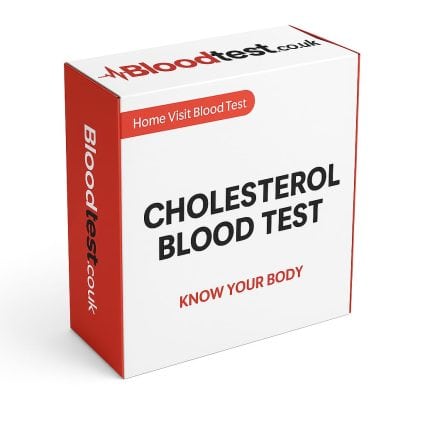

The primary types of lipids assessed in these tests include:
- LDL (Low-Density Lipoprotein): Known as “bad” cholesterol, elevated levels of LDL can lead to artery blockage, thereby increasing the risk of heart disease.
- HDL (High-Density Lipoprotein): Often referred to as “good” cholesterol, HDL plays a crucial role in removing other types of cholesterol from the bloodstream.
- Total Cholesterol: This figure reflects the overall cholesterol level, incorporating both LDL and HDL.
- Triglycerides: These fats present in the blood can be associated with heart disease when their levels are elevated.
These measurements are crucial for gaining insights into cardiovascular health and for understanding cholesterol levels, in alignment with NHS guidelines.
Where Can You Obtain Cholesterol Tests in Taunton?
Residents of Taunton have access to a range of local clinics and hospitals that provide cholesterol blood tests through the NHS. These facilities offer an essential service for effective cholesterol monitoring within the community. To arrange an appointment, individuals should contact their GP or visit a nearby health centre, where they can formally request the test. Typically, preparing for the test involves fasting for 9-12 hours prior to testing. However, these requirements may differ; thus, confirming with the healthcare professional during the booking process is essential.
Why is Consistent Cholesterol Monitoring Important in the UK?
Regular cholesterol monitoring is vital in preventing heart disease, particularly for those living in Taunton. By consistently tracking cholesterol levels, individuals can enhance their awareness of their cardiovascular health and take proactive measures when necessary. Various lifestyle factors, including dietary choices, physical activity, and stress management, can significantly influence cholesterol readings. For instance, a diet high in saturated fats may elevate LDL levels, whereas engaging in regular physical activity can increase HDL levels. Therefore, residents should consider incorporating cholesterol checks into their regular healthcare routines to stay ahead of potential health challenges.
How Should You Interpret Cholesterol Test Results in the UK?
Understanding the significance of cholesterol test results is crucial for effectively managing cardiovascular health. According to NHS guidelines, a total cholesterol level below 5 mmol/L is considered desirable. In Taunton, it is advisable to discuss these results with your GP, who can assist in interpreting the levels in relation to your overall health and lifestyle. Based on your cholesterol profile, they may recommend specific lifestyle adjustments or interventions to support proactive heart health management.
Practical Lifestyle Changes for Cholesterol Control in Taunton
Adopting lifestyle changes is an effective strategy for managing cholesterol levels. Residents of Taunton are encouraged to embrace a balanced UK diet that emphasises fruits, vegetables, whole grains, and oily fish, all known to foster heart health. Additionally, regular physical activity is paramount; the NHS advises aiming for a minimum of 150 minutes of moderate-intensity exercise each week. By integrating these healthy dietary habits with active lifestyles, individuals in Taunton can significantly lower their cholesterol levels and reduce their cardiovascular risks.
How Does a Cholesterol Blood Test Work?
Understanding the Blood Sampling Process in the UK
The blood sampling procedure for a cholesterol blood test in Taunton is designed to be straightforward and minimally uncomfortable. A healthcare professional will draw blood from a vein in the arm, typically from the elbow region. This process is quick and usually takes just a few minutes. Prior to the blood draw, the technician will clean the area with an antiseptic wipe to maintain hygiene standards. Patients typically sit comfortably during this procedure, and the use of a tourniquet aids in filling the vein with blood, facilitating smoother collection.
What Factors Can Affect the Accuracy of Cholesterol Tests?
Several factors can influence the accuracy of cholesterol blood tests, including both environmental and dietary elements. For example, consuming a high-fat meal shortly before the test may lead to temporarily elevated cholesterol levels. In the UK, fasting is generally recommended prior to testing; however, recent guidelines suggest that non-fasting tests may also provide reliable results. It is crucial for residents in Taunton to follow the specific instructions given by healthcare professionals to ensure accurate test outcomes.
What is the Expected Timeline for Receiving Cholesterol Test Results?
After a cholesterol blood test in Taunton, patients can typically expect to receive their results within a few days. The timeline may vary slightly depending on the facility, but most NHS services strive to communicate results promptly. Following the test, it is advisable to schedule a follow-up consultation with your GP; during this meeting, they can discuss the results, their implications, and any necessary lifestyle adjustments or treatments. This timely communication is essential for effective health management.
Understanding the Laboratory Analysis Process for Cholesterol
In UK laboratories, blood samples undergo comprehensive analysis using advanced equipment to accurately measure cholesterol levels. Technicians meticulously follow NHS protocols during the analysis to ensure precision and reliability. This includes thorough sample preparations and quality assurance checks to eliminate errors. Automated processes often assist in measuring lipid levels, followed by verification steps to confirm results are consistent with expected ranges. This rigorous approach enhances the credibility of cholesterol testing in Taunton.
How to Interpret Cholesterol Test Results Effectively?
Interpreting cholesterol test results in the UK involves comparing the levels against NHS guidelines, which categorise cholesterol as healthy, borderline, or high risk. Generally, total cholesterol levels below 5 mmol/L are considered healthy, levels between 5 and 6.9 mmol/L are borderline, and levels exceeding 7 mmol/L indicate high risk. Healthcare providers in Taunton assess additional factors such as age, diet, and medical history during consultations. Based on this comprehensive evaluation, they may recommend lifestyle modifications or pharmacological treatments to support heart health.
Expert Insights on Cholesterol Blood Tests in Taunton
What Are the Key Indicators of High Cholesterol in the UK?
Elevated cholesterol levels can indicate various health risks, making it crucial for residents in Taunton to recognise these indicators. Common signs include high LDL levels and low HDL levels. For instance, if a patient’s LDL level exceeds 3 mmol/L, it may necessitate immediate lifestyle changes or medical intervention. Real-world examples from local clinics demonstrate that individuals with consistently high cholesterol levels often need tailored dietary adjustments and increased physical activity to mitigate health risks and enhance overall well-being.
What Advanced Testing Options Are Available Locally to Assess Cholesterol?
In addition to standard cholesterol tests, specialised panels that assess additional lipid types and genetic factors are becoming increasingly accessible in Taunton. These advanced testing options provide healthcare providers with a more comprehensive understanding of an individual’s cardiovascular risk profile. For instance, a lipoprotein(a) test can reveal hereditary cholesterol issues that may not be apparent from standard tests. By utilising these advanced options, residents can receive more personalised care and targeted interventions tailored to their unique health situations.
What Long-Term Management Strategies Should Residents Consider in the UK?
The long-term management of cholesterol levels requires a personalised approach, especially for residents of Taunton. Evidence-based strategies include regular monitoring through follow-up tests and incorporating lifestyle changes aligned with NHS recommendations. For example, individuals may benefit from consulting a dietitian to develop a customised meal plan that focuses on reducing saturated fat and increasing fibre intake. Moreover, routine physical activity should be encouraged, with local resources available to support community exercise initiatives.
What Are the Key Benefits of Cholesterol Blood Tests?
How Do Cholesterol Tests Enhance Heart Health in the UK?
Cholesterol blood tests play a crucial role in supporting heart health, particularly by enabling the early detection of potential issues. In Taunton, these tests can significantly reduce the risk of strokes and heart attacks by identifying elevated cholesterol levels before they develop into serious problems. The advantages of regular testing include:
- Improved longevity: Early intervention can enhance life expectancy by proactively addressing cholesterol-related issues.
- Reduced medication requirements: Lifestyle modifications based on test results may decrease the necessity for specific medications.
- Increased health awareness: Individuals become better informed about their health and the importance of maintaining healthy cholesterol levels.
- Empowerment: Regular testing empowers patients to take control of their heart health through informed decision-making.
Integrating these tests into routine health check-ups is a vital aspect of a comprehensive health strategy.
What Role Do Cholesterol Tests Play in Preventive Healthcare?
In Taunton, cholesterol blood tests are integral to preventive healthcare, identifying at-risk individuals early and allowing for timely interventions. Incorporating these tests into routine health assessments ensures that residents remain informed about their cardiovascular health. By recognising their cholesterol levels, individuals can make informed lifestyle choices that can mitigate health risks before they escalate.
What Are the Cost and Accessibility Factors for Cholesterol Tests in the UK?
A significant advantage of cholesterol blood tests in Taunton is their affordability through NHS-funded options. This accessibility guarantees that all residents can benefit from these essential health assessments without incurring high costs. To optimise the use of these services, individuals should stay informed about local healthcare offerings and consider scheduling their tests during routine check-ups to minimise disruption to their daily lives.
Research-Backed Advantages of Cholesterol Blood Tests in Taunton
What Evidence from UK Studies Supports the Efficacy of Cholesterol Testing?
Recent studies highlight the effectiveness of cholesterol blood tests in improving health outcomes for patients in Taunton. Research indicates that individuals who consistently monitor their cholesterol levels are more likely to adopt positive health behaviours, leading to successful interventions and improved heart health. Local case studies demonstrate that patients receiving targeted lifestyle advice following their test results experienced significant reductions in their cholesterol levels.
How to Integrate Test Results with Lifestyle Advice Locally?
Combining cholesterol testing with practical lifestyle advice enhances personal health strategies. In Taunton, healthcare providers frequently recommend tailored dietary modifications based on test results. For instance, patients with elevated LDL levels may be advised to increase their intake of soluble fibre and omega-3 fatty acids. This integration of testing with actionable advice ensures that residents can take concrete steps to improve their cholesterol levels over time.
How to Monitor Progress Over Time in the UK?
Cholesterol blood tests in Taunton enable residents to effectively monitor their progress over time. Regular assessments allow individuals to track improvements in their cholesterol levels and adapt their health strategies accordingly. Following established guidelines from national health authorities, patients can set clear benchmarks, ensuring their efforts toward improved health are effective and measurable.
Essential Tips for Maintaining Optimal Cholesterol Levels in the UK
How Does Diet Influence Cholesterol Results?
A balanced UK diet that prioritises fruits, vegetables, and whole grains is crucial for maintaining healthy cholesterol levels. In Taunton, residents can benefit from meal plans that focus on minimising saturated fats while incorporating heart-healthy choices. For example, meals might include grilled salmon paired with quinoa and a fresh salad, emphasising nutrient-rich ingredients that support cardiovascular health. Practical adjustments, such as using olive oil instead of butter or selecting whole-grain bread, can significantly impact cholesterol management.
What Is the Impact of Exercise on Cholesterol Testing Outcomes?
Engaging in regular physical activity significantly enhances cholesterol test outcomes. Residents of Taunton are encouraged to participate in activities such as brisk walking, cycling, or swimming. These forms of exercise not only help lower LDL cholesterol but also increase HDL cholesterol levels. Adhering to UK physical activity recommendations by incorporating at least 150 minutes of moderate-intensity exercise each week can lead to substantial health benefits, making exercise a critical component of cholesterol management.
When Should You Consider Further Testing in the UK?
If initial cholesterol test results indicate elevated levels, residents in Taunton should seek additional testing. Indicators that may necessitate further checks include sudden weight gain, persistent fatigue, or a family history of cardiovascular disease. Consulting with a healthcare professional can clarify whether further testing is warranted and outline the next steps individuals should take to manage their health effectively.
What Is the Role of Weight Management in Cholesterol Control?
Maintaining a healthy weight is essential for cholesterol control. In Taunton, residents can benefit from balanced eating and regular physical activity plans designed to promote weight management. Strategies such as portion control and monitoring food intake are effective for achieving sustainable weight loss. Regular weigh-ins can also foster motivation and accountability, helping individuals adhere to NHS guidelines that support achieving and maintaining a healthy weight, which consequently supports improved cholesterol levels.
How Can Reducing Alcohol Intake Benefit Cholesterol Health?
In the UK, moderating alcohol consumption can significantly enhance cholesterol profiles. Health services in Taunton recommend adhering to guidelines for safe alcohol limits, advising no more than 14 units per week for both men and women. Reducing alcohol intake not only lowers LDL cholesterol levels but also supports overall heart health and well-being, making it a critical consideration in a comprehensive cholesterol management plan.
Frequently Asked Questions about Cholesterol Testing
What Is the Purpose of a Cholesterol Blood Test?
A cholesterol blood test measures the levels of various types of cholesterol and fats in your blood, which aids in assessing your heart health and the risk of cardiovascular disease.
How Often Should Cholesterol Blood Tests Be Conducted?
It is generally recommended to have cholesterol levels checked every 4-6 years; however, more frequent testing may be necessary for individuals with elevated risk factors.
What Do Cholesterol Numbers Indicate?
Cholesterol levels are expressed in mmol/L. A total cholesterol level below 5 mmol/L is deemed healthy, while levels above 6.5 mmol/L may signify a higher risk for heart disease.
Can Diet Truly Influence Cholesterol Levels?
Indeed, a diet high in saturated fats can elevate LDL cholesterol, while foods rich in fibre and healthy fats can help lower it. Making dietary adjustments is essential for effective cholesterol management.
Is Fasting Necessary Before a Cholesterol Test?
Fasting for 9-12 hours before a cholesterol test is often recommended to ensure accurate results; however, some newer guidelines suggest that non-fasting tests can also yield effective outcomes.
What Lifestyle Changes Can Help Lower Cholesterol Levels?
Adopting a balanced diet, engaging in regular physical activity, and maintaining a healthy weight are critical lifestyle changes that can significantly lower cholesterol levels.
What Should You Do If Your Cholesterol Levels Are Elevated?
If your cholesterol levels are high, consult with your GP for personalised recommendations on lifestyle modifications, dietary guidance, or potential medication options.
How Long Does It Typically Take to Receive Cholesterol Test Results?
Results from cholesterol blood tests are usually available within a few days, and your GP will discuss them with you during a follow-up appointment.
Does the NHS Cover Cholesterol Tests?
Yes, cholesterol blood tests are generally covered by the NHS, making them accessible to UK residents without significant out-of-pocket expenses.
What Are the Risks Associated with High Cholesterol?
High cholesterol can lead to the accumulation of plaque in arteries, raising the risk of heart disease, heart attacks, and strokes if not effectively managed.


I love how you spotlight the importance of cholesterol tests, especially here in Taunton. It’s like having a health barometer that tells us if we’re living our best life or if that extra slice of cake has turned into an unwelcome companion on our cholesterol journey!